Introduction: The Damage You Cannot See
When people think of oral health, they think of cavities, gum bleeding, or bad breath. But beneath these visible symptoms lies a more subtle process — oxidative stress. It is a biochemical imbalance that silently weakens oral tissues over time.
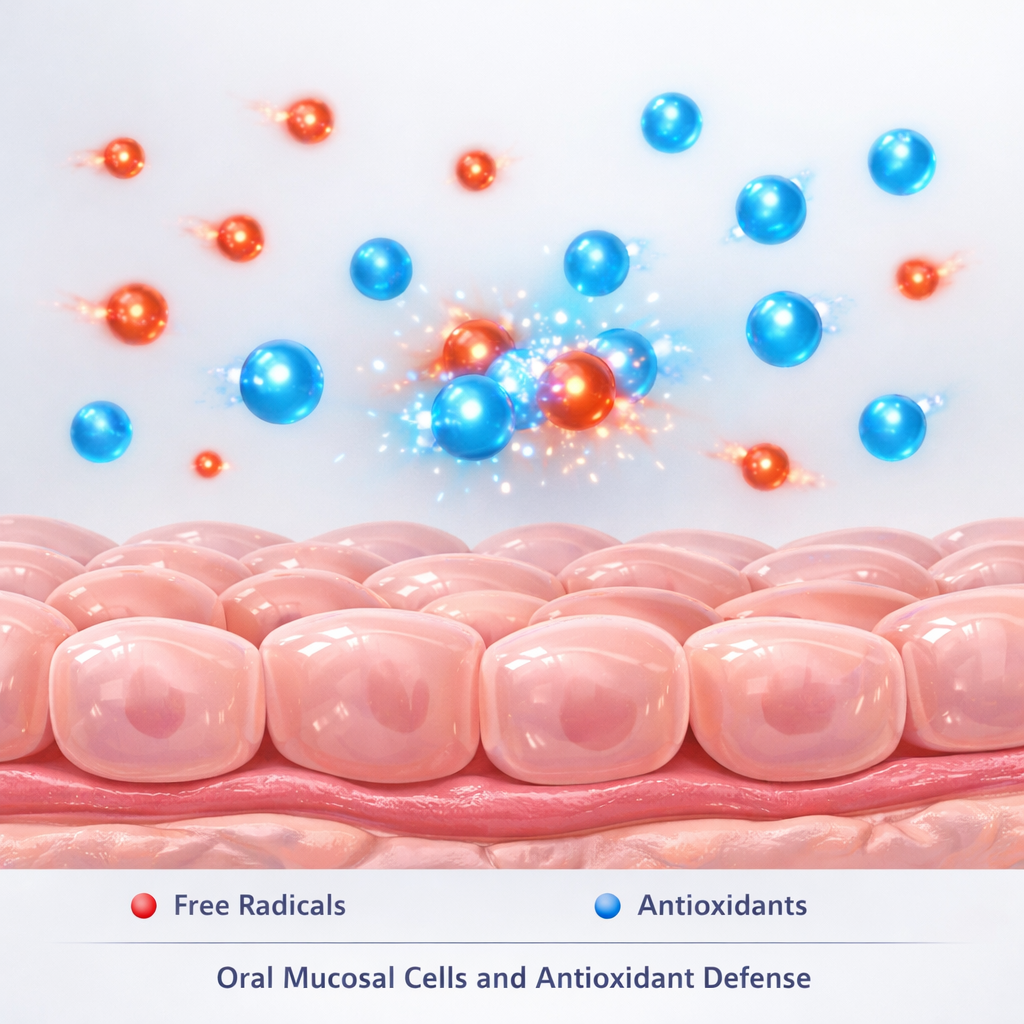
Smoking, chewing tobacco, and alcohol consumption significantly increase oxidative stress in the oral cavity. Every puff of smoke and every sip of alcohol introduces reactive molecules known as free radicals. These unstable molecules damage cells by disrupting membranes, proteins, and DNA.
Unlike mechanical injury, oxidative stress does not hurt immediately. It accumulates. The oral mucosa — being highly vascular and permeable — is especially vulnerable.
How Oxidative Stress Affects Oral Cells
The oral lining constantly renews itself. Healthy cells mature, migrate, and shed in a balanced cycle. Oxidative stress interferes with this cycle by:
Damaging epithelial cell membranes
Reducing cellular repair efficiency
Weakening the mucosal barrier
Increasing inflammation markers
Over time, this may contribute to:
For tobacco and alcohol users, this stress is repetitive and chronic.
Why Antioxidant Support Matters
Antioxidants neutralize free radicals before they cause damage. In healthy individuals, saliva naturally contains antioxidant enzymes. However, smoking and alcohol reduce salivary antioxidant levels.
When natural defenses are overwhelmed, tissues remain exposed. Supporting antioxidant balance in the oral cavity can help maintain cellular resilience.
Protecting the First Line of Defense
The mouth is the entry point for external substances. It deserves targeted care — not only brushing and rinsing but biochemical support at the tissue level.
How BOYA10 Supports Oxidative Balance
BOYA10 is formulated with multiple antioxidant-supporting ingredients. When chewed, it:
Spreads across oral mucosa before swallowing
Delivers localized antioxidant contact
Helps support epithelial stability
Provides continued internal support after swallowing
This dual-phase mechanism makes it relevant for individuals exposed to oxidative stress from smoking, tobacco chewing, or alcohol consumption.
👉 Learn more:
https://BOYA10.com/how-boya10-works
https://BOYA10.com/ingredients