alcohol oral health

20260226 2024 image generation simple compose 01kjd72vgaf9qa4r8gf50gee8d

LEUKOPLAKIA AND EARLY ORAL TISSUE CHANGES: WHAT HIGH-RISK INDIVIDUALS SHOULD KNOW

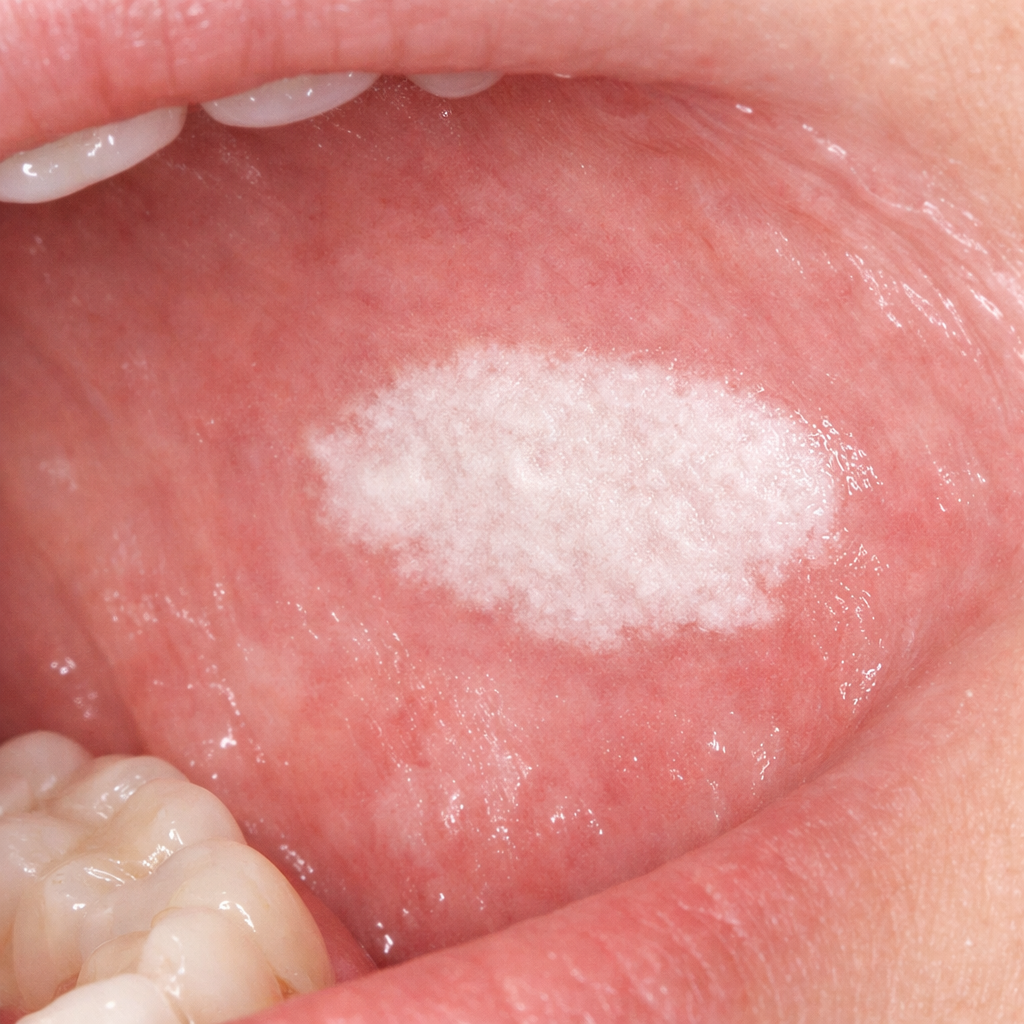
LEUKOPLAKIA AND EARLY ORAL TISSUE CHANGES: WHAT HIGH-RISK INDIVIDUALS SHOULD KNOW Understanding Early Warning Signs   Leukoplakia refers to white patches in the mouth that cannot be wiped away. It is often linked to chronic irritation from smoking or tobacco chewing. Not every white patch is dangerous — but persistent lesions require evaluation.   Why Chronic Irritation Matters   Continuous chemical exposure triggers abnormal epithelial thickening. Over time, cells may alter their growth pattern. Risk factors include: Smoking Chewing tobacco Heavy alcohol use Combined tobacco + alcohol use Early changes are often painless. This makes regular self-checking important.   Prevention & Monitoring   While cessation is the most effective preventive measure, supportive oral care plays a role in maintaining tissue stability. Strategies include: Regular dental screening Avoiding repeated irritants Supporting mucosal antioxidant balance   BOYA10 as Part of Oral Wellness Strategy   BOYA10 is designed for localized mucosal contact. Its chewable technology allows active ingredients to spread across oral tissues before swallowing. Potential supportive benefits include: Enhanced mucosal contact time Antioxidant support Support for epithelial resilience Protection-focused coating action It is not a treatment for leukoplakia but may support general mucosal health in high-risk individuals.   👉 Learn more:https://BOYA10.com/how-boya10-works

LEUKOPLAKIA AND EARLY ORAL TISSUE CHANGES: WHAT HIGH-RISK INDIVIDUALS SHOULD KNOW Read More »
20260226 1840 image generation simple compose 01kjd14d4pevrbtzcq2d1jxe1k

ALCOHOL & THE MOUTH: WHY YOUR ORAL LINING MATTERS

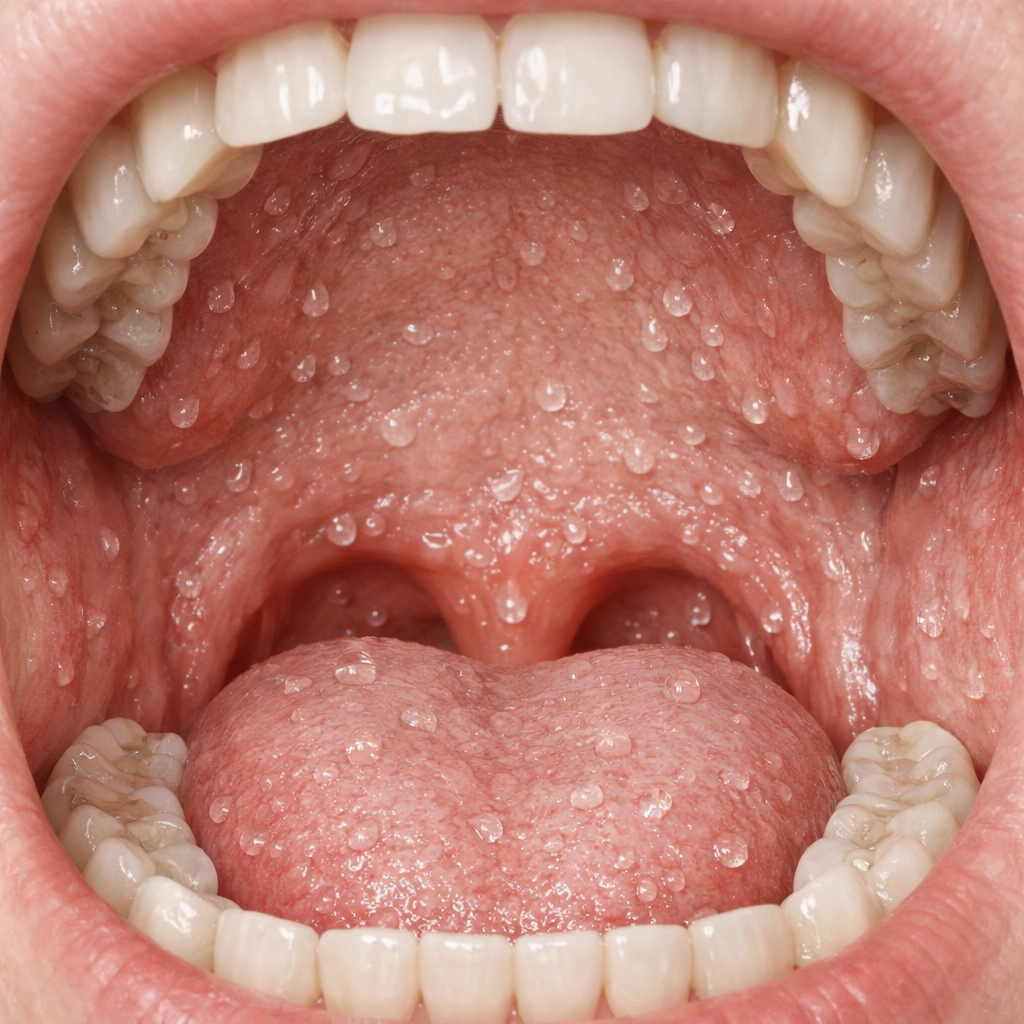
ALCOHOL & THE MOUTH: WHY YOUR ORAL LINING MATTERS Alcohol and Oral Tissue Stress   Drinking alcohol is commonly associated with liver and systemic health impacts — but its effects on the mouth are equally important. Alcohol dries the mouth, reduces saliva production, and increases permeability of the oral mucosa, making it more vulnerable to chemical penetration and irritation. Alcohol’s dehydrating effect can disrupt: Mucosal moisture balance Natural protective enzymes in saliva Oral microbial ecology This disruption weakens the mucosal barrier and can lead to: Dry mouth (xerostomia) Burning sensations Increased sensitivity Minor micro-injuries   Alcohol and Precancerous Changes   Frequent alcohol use has been linked with an increased risk of precancerous oral changes due to combined oxidative stress and mucosal irritation. When combined with other factors like smoking or tobacco chewing, the risk is even higher. Though not every drinker will develop a serious disease, alcohol’s impact on the oral environment contributes to: Tissue irritation Altered cell turnover Oxidative stress accumulation   Protecting the Oral Mucosa   Maintaining oral health with good hygiene practices is essential, but additional support may help resist alcohol-related mucosal stress.   Benefits of BOYA10 for Alcohol Users   BOYA10 provides targeted mucosal coating and antioxidant support that may help oral tissues better withstand the irritating effects of alcohol exposure. When chewed, BOYA10 spreads an active paste across the oral lining that: Helps maintain moisture balance Supports epithelial integrity Provides antioxidant buffering against oxidative stress This localized support can enhance overall oral comfort and resilience.   👉 Learn more: https://BOYA10.com/how-boya10-works

ALCOHOL & THE MOUTH: WHY YOUR ORAL LINING MATTERS Read More »

Scroll to Top