HEALTH

HOW ANTIOXIDANTS SUPPORT WHOLE-BODY HEALTH: BEYOND ORAL PROTECTION

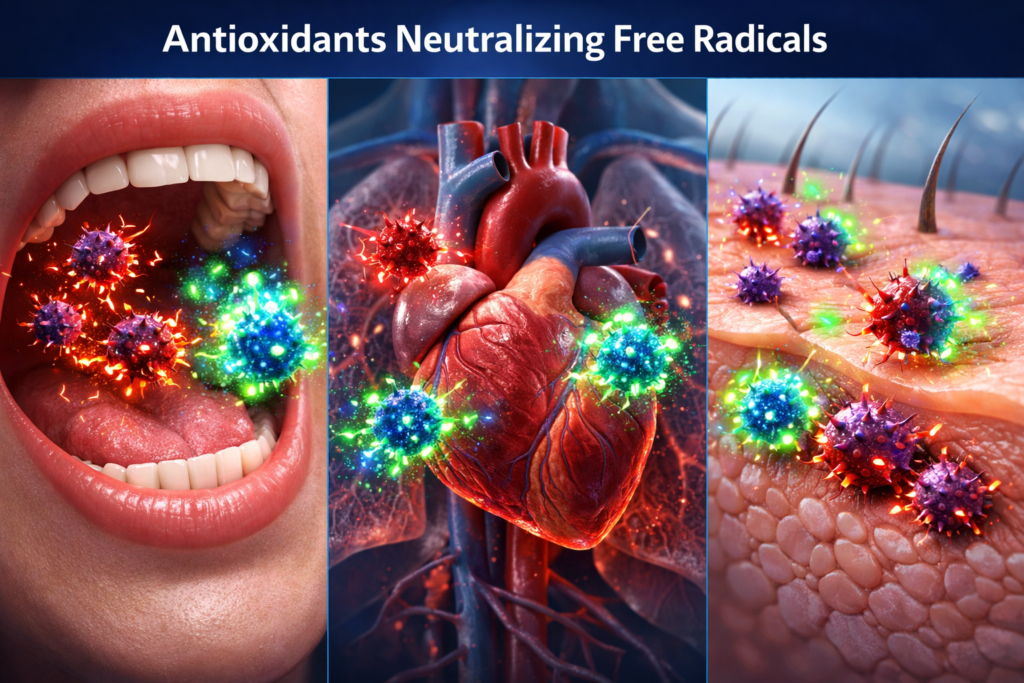
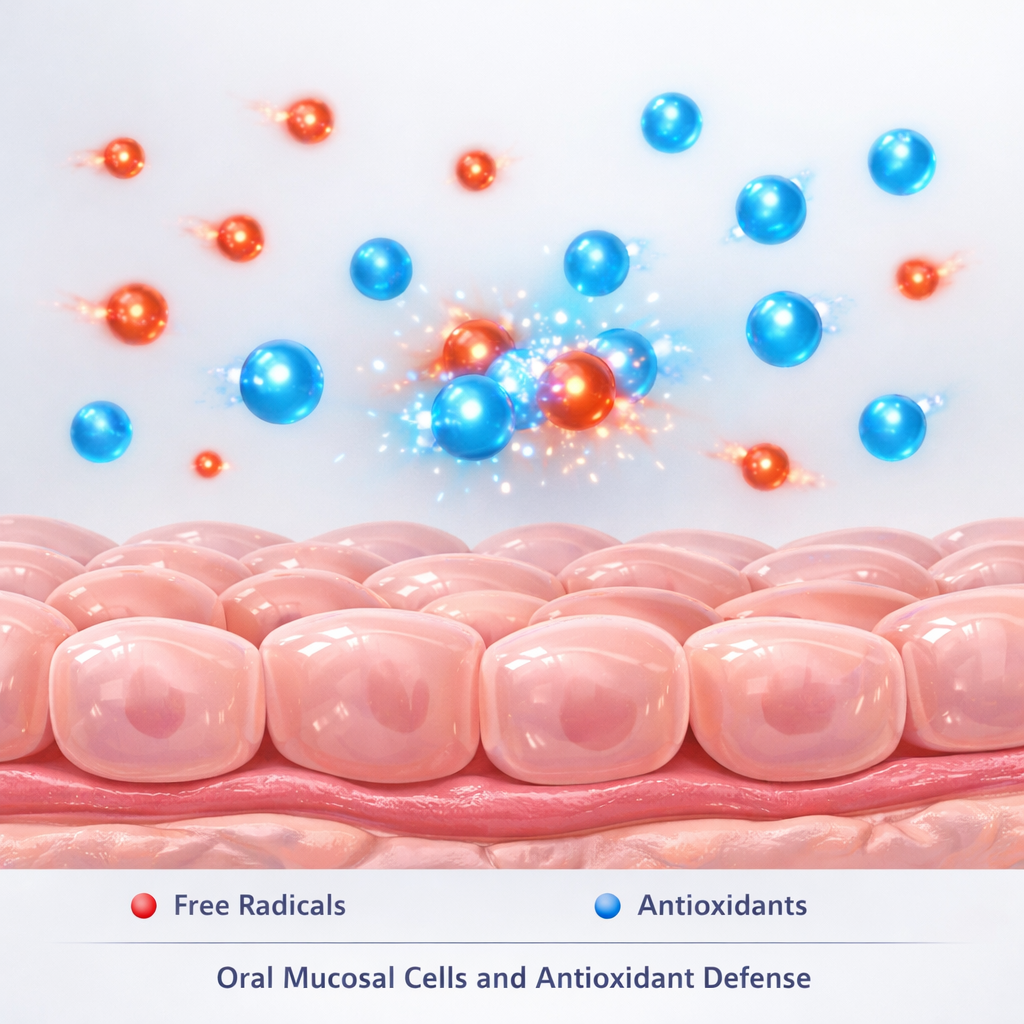
HOW ANTIOXIDANTS SUPPORT WHOLE-BODY HEALTH: BEYOND ORAL PROTECTION ANTIOXIDANTS PLAY A CRITICAL ROLE IN MAINTAINING OVERALL HEALTH BY PROTECTING THE BODY FROM OXIDATIVE STRESS. WHILE THEY ARE OFTEN ASSOCIATED WITH SKIN OR IMMUNITY, THEIR BENEFITS EXTEND TO NEARLY EVERY ORGAN SYSTEM, INCLUDING THE ORAL CAVITY, DIGESTIVE TRACT, AND CARDIOVASCULAR SYSTEM.   WHAT IS OXIDATIVE STRESS?   OXIDATIVE STRESS OCCURS WHEN THERE IS AN IMBALANCE BETWEEN FREE RADICALS AND THE BODY’S ABILITY TO NEUTRALIZE THEM. FREE RADICALS ARE UNSTABLE MOLECULES GENERATED FROM: SMOKING ALCOHOL CONSUMPTION ENVIRONMENTAL POLLUTION POOR DIET THESE MOLECULES DAMAGE CELLS, PROTEINS, AND DNA, CONTRIBUTING TO AGEING AND CHRONIC HEALTH ISSUES.   ROLE OF ANTIOXIDANTS   ANTIOXIDANTS HELP NEUTRALIZE FREE RADICALS, PREVENTING CELLULAR DAMAGE. THEY SUPPORT: CELLULAR REPAIR IMMUNE FUNCTION TISSUE INTEGRITY INFLAMMATION CONTROL SYSTEMIC BENEFITS BEYOND ORAL HEALTH, ANTIOXIDANTS CONTRIBUTE TO: CARDIOVASCULAR PROTECTION SKIN HEALTH DIGESTIVE SYSTEM BALANCE CELLULAR LONGEVITY   BOYA10 CONTRIBUTION   BOYA10 CONTAINS A COMBINATION OF POWERFUL ANTIOXIDANTS THAT FIRST ACT LOCALLY IN THE MOUTH AND THEN PROVIDE SYSTEMIC SUPPORT AFTER SWALLOWING. THIS DUAL-ACTION APPROACH HELPS: PROTECT ORAL MUCOSA SUPPORT WHOLE-BODY ANTIOXIDANT BALANCE STRENGTHEN CELLULAR DEFENCE MECHANISMS   👉 EXPLORE:BOYA10 INGREDIENTSHOW BOYA10 WORKSINTRODUCING BOYA10

HOW ANTIOXIDANTS SUPPORT WHOLE-BODY HEALTH: BEYOND ORAL PROTECTION Read More »

20260226 2032 image generation simple compose 01kjd7h7h5fkvtg4s2q3v71raz

THE ORAL-SYSTEMIC HEALTH CONNECTION: HOW LIFESTYLE HABITS IMPACT THE ENTIRE BODY

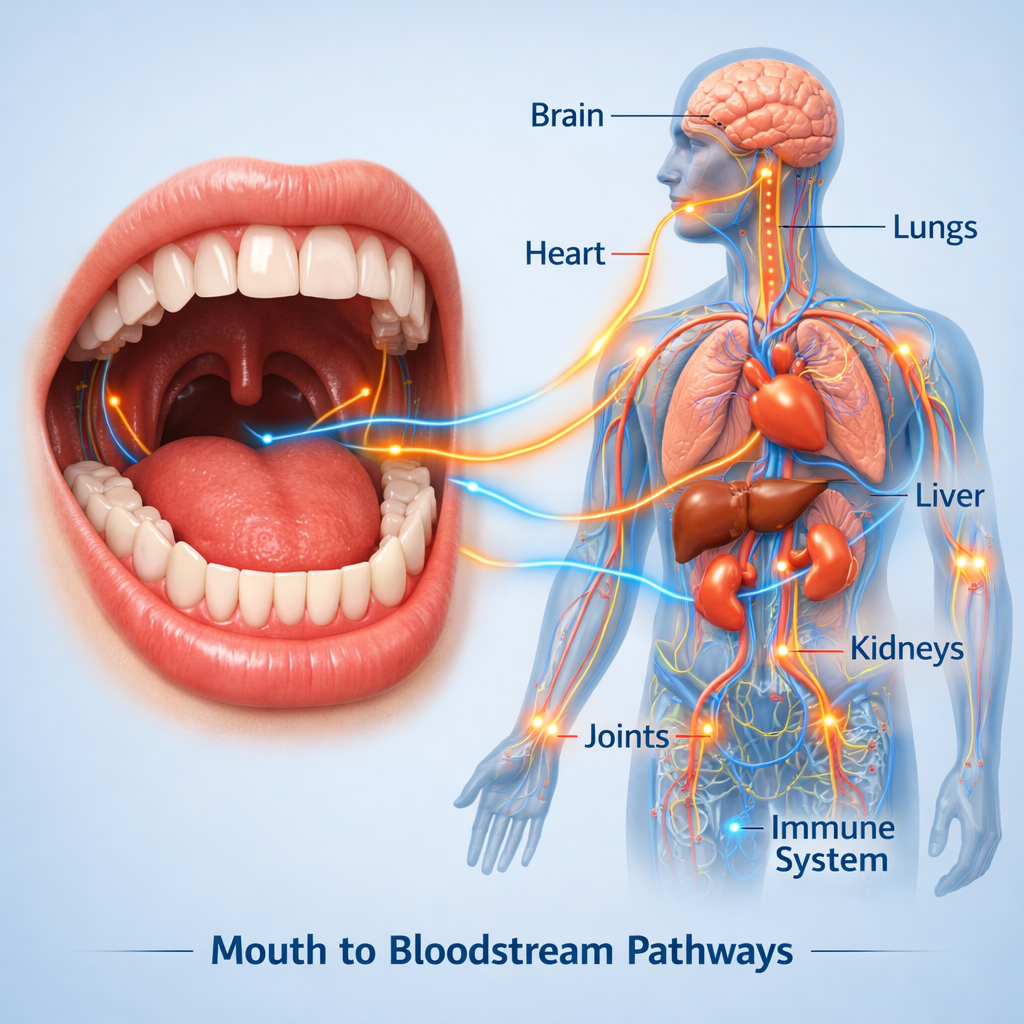
THE ORAL-SYSTEMIC HEALTH CONNECTION: HOW LIFESTYLE HABITS IMPACT THE ENTIRE BODY The Mouth as a Gateway   The oral cavity is connected to the digestive and circulatory systems. Substances absorbed through oral mucosa can enter bloodstream rapidly. Smoking, tobacco chewing, and alcohol exposure not only affect oral tissues but may influence systemic health markers.   Oral Inflammation and Systemic Impact   Chronic irritation in the mouth can trigger inflammatory mediators. Emerging research suggests links between oral health and: Cardiovascular health Immune response balance Metabolic function While direct causation varies, maintaining oral tissue integrity is part of broader wellness.   Supporting Local and Systemic Health   Because the mouth is the first site of exposure, targeted local support may be beneficial.   BOYA10 Dual-Phase Concept   BOYA10 is unique because it: Acts locally inside the mouth before swallowing Provides continued internal nutritional support This dual-phase design bridges oral and systemic wellness support in a structured manner. For individuals with high-risk lifestyle habits, this integrated approach may complement broader health strategies.   👉 Explore more:https://BOYA10.com/ingredientshttps://BOYA10.com/faqs

THE ORAL-SYSTEMIC HEALTH CONNECTION: HOW LIFESTYLE HABITS IMPACT THE ENTIRE BODY Read More »

20260226 2024 image generation simple compose 01kjd72vgaf9qa4r8gf50gee8d

LEUKOPLAKIA AND EARLY ORAL TISSUE CHANGES: WHAT HIGH-RISK INDIVIDUALS SHOULD KNOW

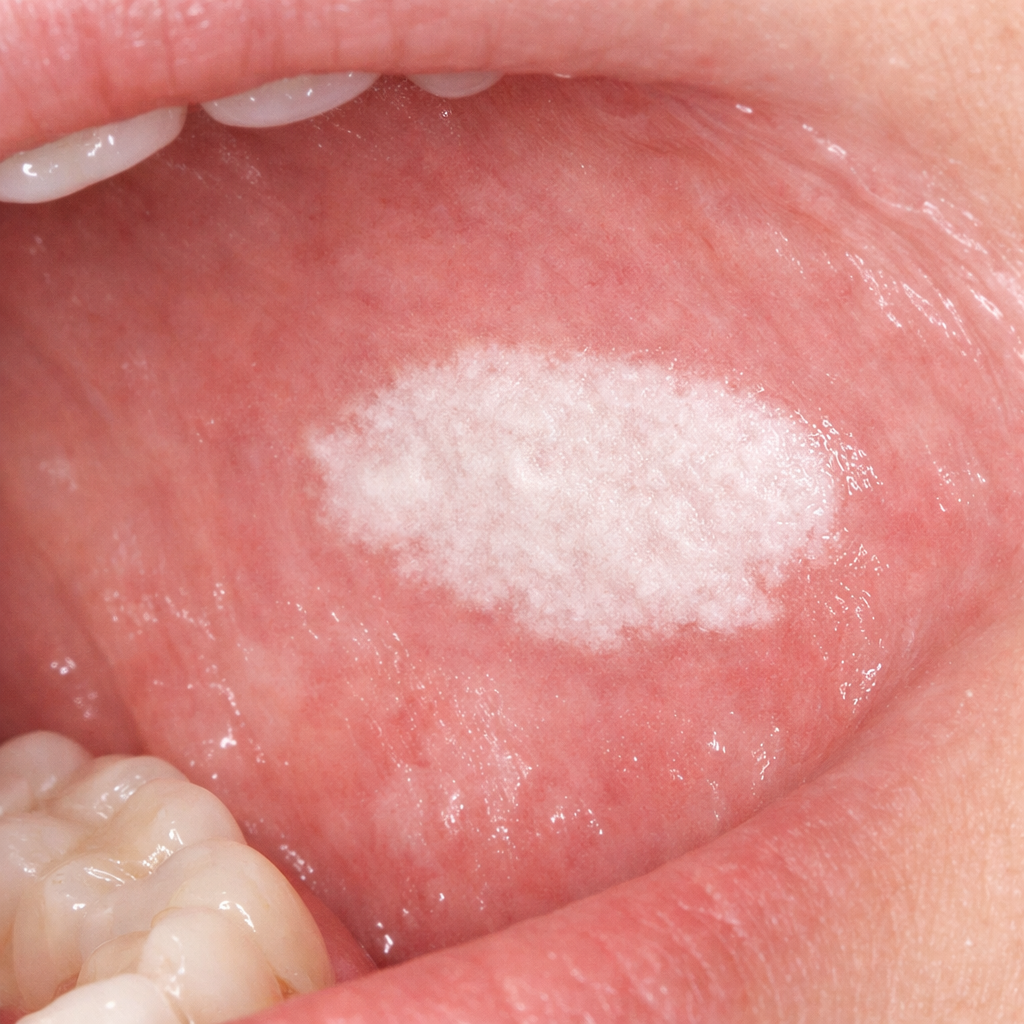
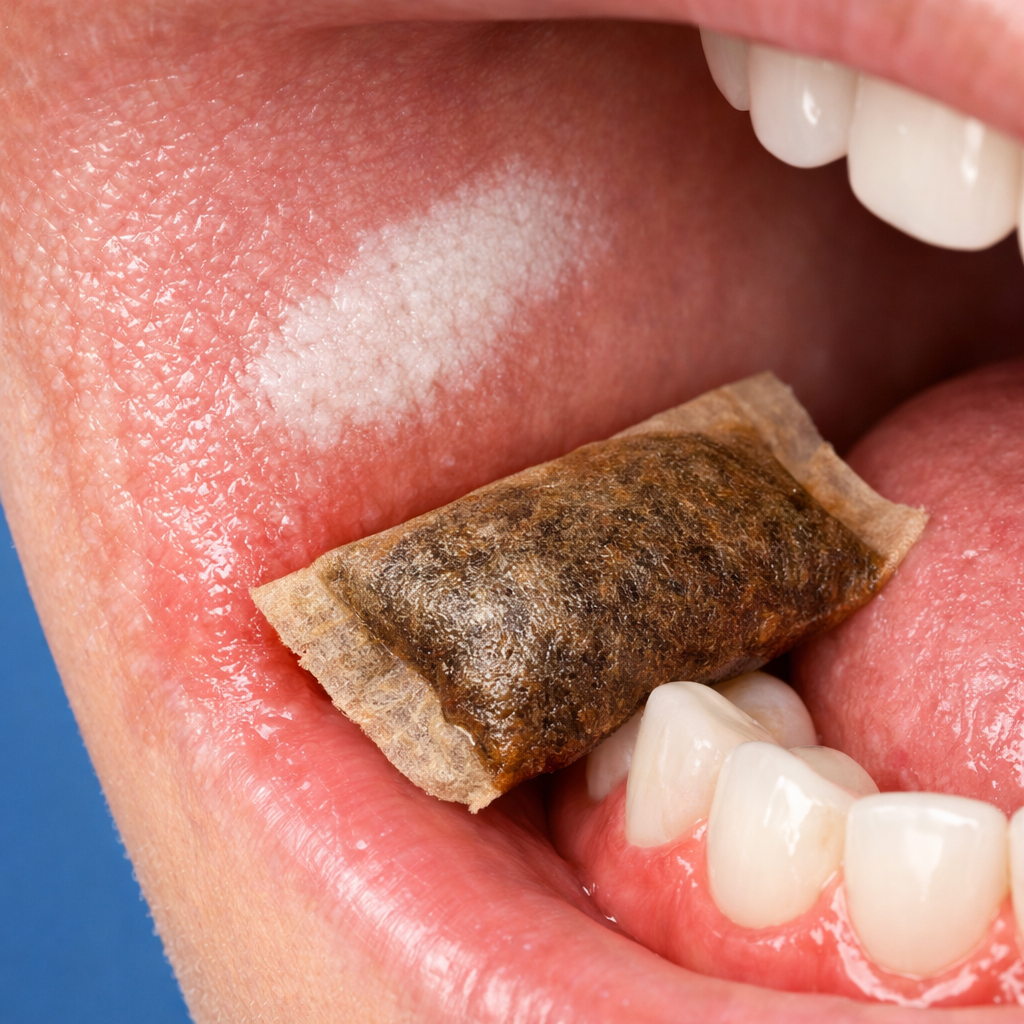
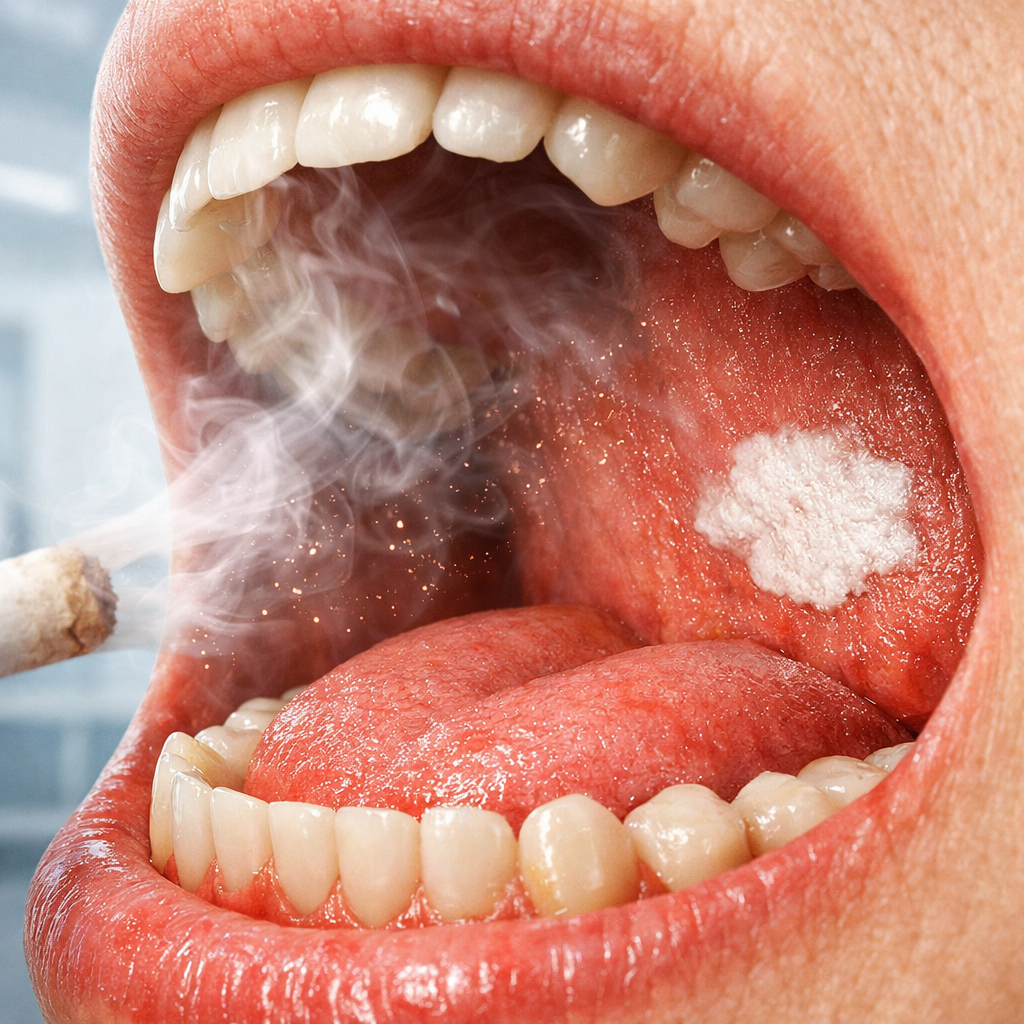
LEUKOPLAKIA AND EARLY ORAL TISSUE CHANGES: WHAT HIGH-RISK INDIVIDUALS SHOULD KNOW Understanding Early Warning Signs   Leukoplakia refers to white patches in the mouth that cannot be wiped away. It is often linked to chronic irritation from smoking or tobacco chewing. Not every white patch is dangerous — but persistent lesions require evaluation.   Why Chronic Irritation Matters   Continuous chemical exposure triggers abnormal epithelial thickening. Over time, cells may alter their growth pattern. Risk factors include: Smoking Chewing tobacco Heavy alcohol use Combined tobacco + alcohol use Early changes are often painless. This makes regular self-checking important.   Prevention & Monitoring   While cessation is the most effective preventive measure, supportive oral care plays a role in maintaining tissue stability. Strategies include: Regular dental screening Avoiding repeated irritants Supporting mucosal antioxidant balance   BOYA10 as Part of Oral Wellness Strategy   BOYA10 is designed for localized mucosal contact. Its chewable technology allows active ingredients to spread across oral tissues before swallowing. Potential supportive benefits include: Enhanced mucosal contact time Antioxidant support Support for epithelial resilience Protection-focused coating action It is not a treatment for leukoplakia but may support general mucosal health in high-risk individuals.   👉 Learn more:https://BOYA10.com/how-boya10-works

LEUKOPLAKIA AND EARLY ORAL TISSUE CHANGES: WHAT HIGH-RISK INDIVIDUALS SHOULD KNOW Read More »

20260226 2011 image generation simple compose 01kjd6a2tvfans8pk6d91qfysg

DRY MOUTH (XEROSTOMIA) IN SMOKERS AND ALCOHOL USERS: CAUSES, RISKS & SOLUTIONS

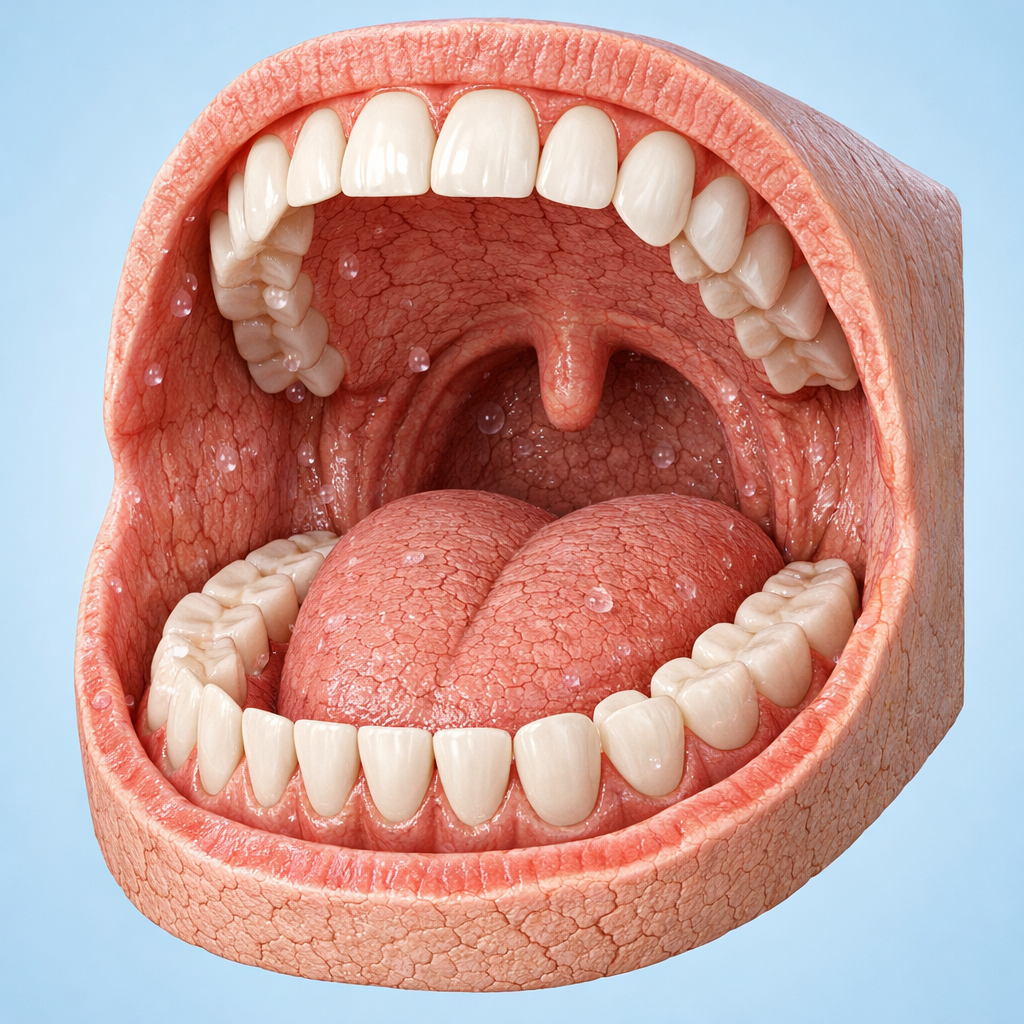
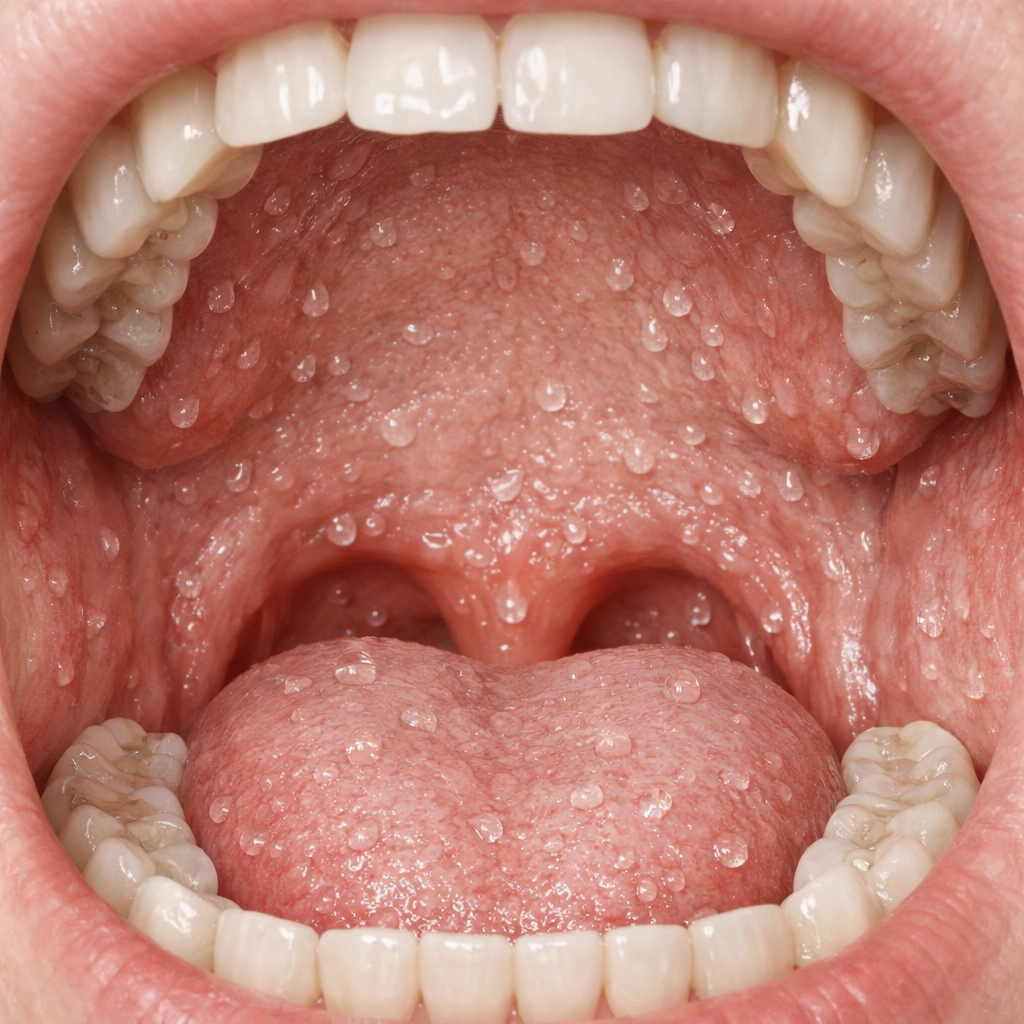
DRY MOUTH (XEROSTOMIA) IN SMOKERS AND ALCOHOL USERS: CAUSES, RISKS & SOLUTIONS What is Dry Mouth?   Dry mouth, medically known as xerostomia, occurs when saliva production decreases. Saliva is not just moisture — it is protective fluid containing enzymes, antibodies, and buffering agents. Smoking and alcohol both reduce saliva production. Nicotine affects salivary gland signaling, while alcohol dehydrates tissues.   Why Saliva Is Essential   Saliva plays critical roles: Neutralizes acids Washes away food debris Maintains mucosal lubrication Supports tissue healing When saliva decreases, the oral lining becomes: Rough Sensitive More prone to irritation Susceptible to infection Persistent dryness can also alter taste perception and make chewing uncomfortable.   Lifestyle-Related Xerostomia   Smokers often wake up with dry mouth. Alcohol users experience dehydration-related dryness. Tobacco chewers may develop localized dryness where the pouch is placed. Chronic dryness contributes to: Burning mouth sensation White patches Micro-cracks in mucosa Increased oxidative stress   Supporting Oral Moisture & Tissue Integrity   Hydration is important, but hydration alone may not restore mucosal resilience. Supporting the epithelial barrier and antioxidant balance may help improve comfort.   How BOYA10 May Support Oral Comfort   When chewed, BOYA10 forms a thin coating layer over the mucosa. This coating: Enhances localized contact Supports mucosal barrier integrity Provides antioxidant support Helps maintain epithelial resilience By acting before swallowing, BOYA10 focuses on the first site affected by dryness.   👉 Learn more:https://BOYA10.com/faqs

DRY MOUTH (XEROSTOMIA) IN SMOKERS AND ALCOHOL USERS: CAUSES, RISKS & SOLUTIONS Read More »

20260226 1947 image generation simple compose 01kjd4zhyee81rsy424wd12evw

OXIDATIVE STRESS IN THE MOUTH: THE INVISIBLE DAMAGE CAUSED BY SMOKING, ALCOHOL & TOBACCO

OXIDATIVE STRESS IN THE MOUTH: THE INVISIBLE DAMAGE CAUSED BY SMOKING, ALCOHOL & TOBACCO Introduction: The Damage You Cannot See   When people think of oral health, they think of cavities, gum bleeding, or bad breath. But beneath these visible symptoms lies a more subtle process — oxidative stress. It is a biochemical imbalance that silently weakens oral tissues over time. Smoking, chewing tobacco, and alcohol consumption significantly increase oxidative stress in the oral cavity. Every puff of smoke and every sip of alcohol introduces reactive molecules known as free radicals. These unstable molecules damage cells by disrupting membranes, proteins, and DNA. Unlike mechanical injury, oxidative stress does not hurt immediately. It accumulates. The oral mucosa — being highly vascular and permeable — is especially vulnerable.   How Oxidative Stress Affects Oral Cells   The oral lining constantly renews itself. Healthy cells mature, migrate, and shed in a balanced cycle. Oxidative stress interferes with this cycle by: Damaging epithelial cell membranes Reducing cellular repair efficiency Weakening the mucosal barrier Increasing inflammation markers Over time, this may contribute to: Rough mucosal texture Persistent white or red patches Delayed healing Increased tissue sensitivity For tobacco and alcohol users, this stress is repetitive and chronic.   Why Antioxidant Support Matters   Antioxidants neutralize free radicals before they cause damage. In healthy individuals, saliva naturally contains antioxidant enzymes. However, smoking and alcohol reduce salivary antioxidant levels. When natural defenses are overwhelmed, tissues remain exposed. Supporting antioxidant balance in the oral cavity can help maintain cellular resilience.   Protecting the First Line of Defense   The mouth is the entry point for external substances. It deserves targeted care — not only brushing and rinsing but biochemical support at the tissue level.   How BOYA10 Supports Oxidative Balance   BOYA10 is formulated with multiple antioxidant-supporting ingredients. When chewed, it: Spreads across oral mucosa before swallowing Delivers localized antioxidant contact Helps support epithelial stability Provides continued internal support after swallowing This dual-phase mechanism makes it relevant for individuals exposed to oxidative stress from smoking, tobacco chewing, or alcohol consumption.   👉 Learn more:https://BOYA10.com/how-boya10-workshttps://BOYA10.com/ingredients

OXIDATIVE STRESS IN THE MOUTH: THE INVISIBLE DAMAGE CAUSED BY SMOKING, ALCOHOL & TOBACCO Read More »

20260226 1849 image generation simple compose 01kjd1nqmfewmssbafrfpvap0z

ORAL MUCOSA: THE FIRST LINE OF DEFENSE YOU CAN’T IGNORE

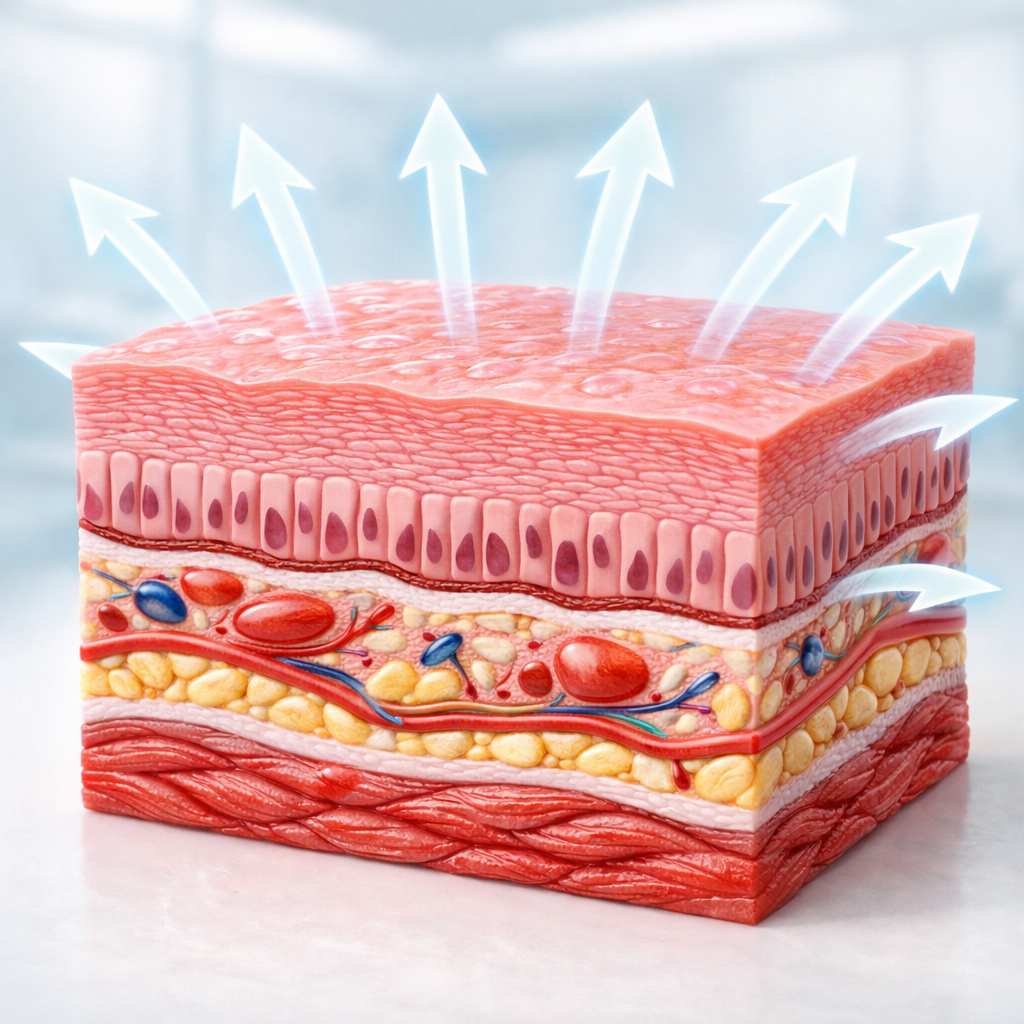
ORAL MUCOSA: THE FIRST LINE OF DEFENSE YOU CAN’T IGNORE What is the Oral Mucosa?   The oral mucosa is a specialized soft tissue lining that protects deeper structures from physical, chemical, and microbial insults. Unlike skin, the oral mucosa is: Highly permeable Richly vascular Quick to absorb substances This makes it uniquely vulnerable to lifestyle irritants. When functioning well, the oral mucosa: Maintains moisture balance Protects against microbes Performs early immune signaling Helps preserve comfort and sensory function When damaged, even small irritations can lead to: White or red patch formation Persistent soreness Burning and tingling Chronic discomfort   Everyday Stressors That Harm the Mucosa   Major lifestyle factors — smoking, chewing tobacco, and alcohol use — all contribute to repeated mucosal stress. Other factors like poor oral hygiene or acidic foods can add to the load. The cumulative effect is: Disrupted epithelial integrity Increased oxidative stress Microscopic cellular damage   Supporting Oral Mucosa for Long-Term Wellness   Oral mucosal health is critical not just for comfort but for overall oral homeostasis. Supporting it regularly helps maintain a resilient barrier that works before deeper problems arise.   Benefits of BOYA10 for Oral Mucosal Wellness   BOYA10 is designed to provide localized oral mucosal support by delivering a protective coating and supporting antioxidant action directly where damage occurs. When chewed, it forms a spreadable paste that: Enhances mucosal contact time Helps maintain epithelial strength Reduces irritation from daily lifestyle exposures Incorporating BOYA10 as part of a daily oral wellness routine may help keep the oral lining strong, hydrated, and comfortable.   👉 Learn more: https://BOYA10.com/faqs

ORAL MUCOSA: THE FIRST LINE OF DEFENSE YOU CAN’T IGNORE Read More »

20260226 1840 image generation simple compose 01kjd14d4pevrbtzcq2d1jxe1k

ALCOHOL & THE MOUTH: WHY YOUR ORAL LINING MATTERS

ALCOHOL & THE MOUTH: WHY YOUR ORAL LINING MATTERS Alcohol and Oral Tissue Stress   Drinking alcohol is commonly associated with liver and systemic health impacts — but its effects on the mouth are equally important. Alcohol dries the mouth, reduces saliva production, and increases permeability of the oral mucosa, making it more vulnerable to chemical penetration and irritation. Alcohol’s dehydrating effect can disrupt: Mucosal moisture balance Natural protective enzymes in saliva Oral microbial ecology This disruption weakens the mucosal barrier and can lead to: Dry mouth (xerostomia) Burning sensations Increased sensitivity Minor micro-injuries   Alcohol and Precancerous Changes   Frequent alcohol use has been linked with an increased risk of precancerous oral changes due to combined oxidative stress and mucosal irritation. When combined with other factors like smoking or tobacco chewing, the risk is even higher. Though not every drinker will develop a serious disease, alcohol’s impact on the oral environment contributes to: Tissue irritation Altered cell turnover Oxidative stress accumulation   Protecting the Oral Mucosa   Maintaining oral health with good hygiene practices is essential, but additional support may help resist alcohol-related mucosal stress.   Benefits of BOYA10 for Alcohol Users   BOYA10 provides targeted mucosal coating and antioxidant support that may help oral tissues better withstand the irritating effects of alcohol exposure. When chewed, BOYA10 spreads an active paste across the oral lining that: Helps maintain moisture balance Supports epithelial integrity Provides antioxidant buffering against oxidative stress This localized support can enhance overall oral comfort and resilience.   👉 Learn more: https://BOYA10.com/how-boya10-works

ALCOHOL & THE MOUTH: WHY YOUR ORAL LINING MATTERS Read More »

20260226 1830 image generation simple compose 01kjd0jxq1fqwtjbtr8mwfs4wg

THE HIDDEN HARM OF CHEWING TOBACCO: ORAL & OVERALL HEALTH EFFECTS

THE HIDDEN HARM OF CHEWING TOBACCO: ORAL & OVERALL HEALTH EFFECTS Why Chewing Tobacco Isn’t “Safe”   Many tobacco users believe that chewing tobacco is safer than smoking. In reality, chewed tobacco delivers harmful substances directly to the mucosal lining of the mouth — often for longer periods because the tobacco remains in contact with tissues. This prolonged exposure means that the tissues are constantly bathed in carcinogens, irritants, and heat. Unlike smoke that passes in and out, chewing tobacco sits in the cheek pouch and releases chemicals directly into the adjacent tissue. Over time, this leads to: Persistent soreness Thickened, leathery patches Changes in color (white, red, or mixed lesions) Increased risk for precancerous and cancerous changes   Mouth Changes Caused by Chewing Tobacco   One of the earliest observable effects of chewing tobacco is leukoplakia — white-colored patches that cannot be rubbed off. Often considered a precancerous lesion, leukoplakia arises from continuous irritation and increased cell turnover. Other changes associated with tobacco chewing include: Gum recession Bad breath Taste disturbances Increased risk of periodontal disease Research indicates that the risk of oral cancer is significantly higher in smokeless tobacco users than in non-users, particularly in regions where chewing tobacco prevalence is high.   Systemic Risks Beyond the Mouth   While the primary site of exposure is the mouth, components of chewing tobacco can enter bloodstream through mucosal micro-injuries, potentially affecting: Cardiovascular health Immune response Cellular oxidative balance   Steps to Protect Oral Health   If you use chewing tobacco and are not ready to quit, consider: Frequent self-examination for patches and soreness Regular dental visits Targeted oral mucosal support (especially between checkups)   Benefits of BOYA10 for Chewing Tobacco Users   BOYA10 supports oral mucosal health by forming a protective paste that spreads across the entire mouth surface. For individuals who chew tobacco, this coating helps: Reduce direct contact of irritants with epithelial cells Maintain mucosal hydration and integrity Provide antioxidant support to reduce oxidative stress As a part of a daily oral wellness routine, BOYA10 helps support tissue resilience and comfort.   👉 Learn more: https://BOYA10.com/ingredients

THE HIDDEN HARM OF CHEWING TOBACCO: ORAL & OVERALL HEALTH EFFECTS Read More »

20260226 1739 image generation simple compose 01kjcxn0y1fgjteteat3sprjn4

HOW SMOKING DAMAGES YOUR ORAL HEALTH AND WHAT YOU CAN DO ABOUT IT

How Smoking Damages Your Oral Health and What You Can Do About It A Growing Concern: Smoking and the Mouth   Smoking is widely known for its impact on the lungs and heart — but its effects on the mouth are often overlooked. Every time tobacco smoke enters the oral cavity, the delicate tissues lining the mouth are exposed to heat, chemical substances, and toxic by-products. Unlike the skin, which is designed to resist external insults, the oral mucosa is a moist, permeable surface with high blood flow and dense capillaries. This means that harmful agents in smoke quickly interact with mouth tissues and bloodstream. Clinically, smokers are at higher risk for several oral problems: Bad breath and persistent dry mouth, due to decreased saliva production Gum inflammation and recession, leading to loosened teeth White or red patches known as leukoplakia and erythroplakia Increased risk of oral infections These problems often appear gradually. Early signs such as mild discomfort, slight redness, or persistent dryness may be dismissed as temporary. But over time, repeated exposure worsens the condition, making simple chewing and swallowing uncomfortable. Research shows that tobacco smoke contains thousands of chemicals, many of which are known carcinogens. Continuous irritation from these substances disrupts oral cell turnover, weakens immune balance in the mucosa, and increases oxidative stress. This sets the stage not only for discomfort but for serious disease processes.   The Silent Development of Gum and Tissue Damage   Gum disease (periodontal disease) is also more common in smokers. Nicotine reduces blood flow to gum tissues, meaning that oxygen and nutrients are delivered inefficiently to cells trying to maintain tissue integrity. Over time, this causes gum recession, bleeding, deeper gum pockets, and eventual bone loss around teeth. Similarly, the soft tissues of the mouth — cheeks, tongue, and palate — exhibit changes due to chronic smoke exposure. The result may be surface roughness, patch formation, and decreased epithelial resilience.   What You Can Do   The first step is awareness. Notice early signs: Persistent dry mouth Burning or tingling Recurrent white or red patches Unusual thickness or texture change in mouth tissues Regular dental checkups are essential. Dentists can identify early signs of pre-cancerous changes such as leukoplakia long before they become problematic. Incorporating targeted oral support measures into daily habits can help maintain mucosal health even while you work to reduce or quit smoking.   Benefits of BOYA10 for Smokers    BOYA10 is a scientifically formulated chewable capsule that provides localized support to the oral mucosa — the first site affected by tobacco smoke. When chewed, BOYA10 releases a bioactive paste that: Coats oral surfaces including cheeks, gums, and tongue Helps shield oral tissues from repeated chemical irritation Supports epithelial strength and resilience Supplies antioxidants that counteract smoke-induced oxidative stress By forming a protective coating and supporting mucosal resilience, BOYA10 can be a part of a daily oral wellness regime for smokers.   Learn more: https://BOYA10.com/how-boya10-works

HOW SMOKING DAMAGES YOUR ORAL HEALTH AND WHAT YOU CAN DO ABOUT IT Read More »

Scroll to Top