mouth irritation

20260226 2032 image generation simple compose 01kjd7h7h5fkvtg4s2q3v71raz

THE ORAL-SYSTEMIC HEALTH CONNECTION: HOW LIFESTYLE HABITS IMPACT THE ENTIRE BODY

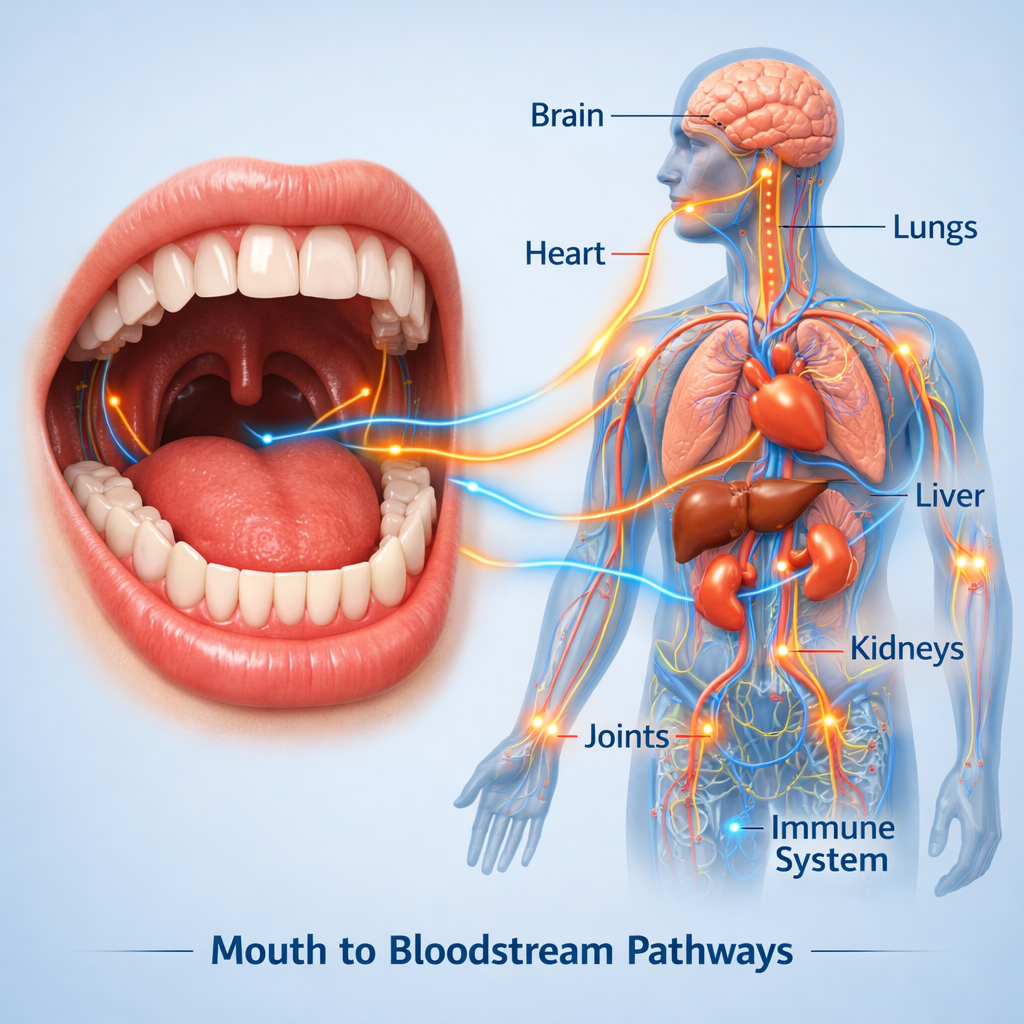
THE ORAL-SYSTEMIC HEALTH CONNECTION: HOW LIFESTYLE HABITS IMPACT THE ENTIRE BODY The Mouth as a Gateway   The oral cavity is connected to the digestive and circulatory systems. Substances absorbed through oral mucosa can enter bloodstream rapidly. Smoking, tobacco chewing, and alcohol exposure not only affect oral tissues but may influence systemic health markers.   Oral Inflammation and Systemic Impact   Chronic irritation in the mouth can trigger inflammatory mediators. Emerging research suggests links between oral health and: Cardiovascular health Immune response balance Metabolic function While direct causation varies, maintaining oral tissue integrity is part of broader wellness.   Supporting Local and Systemic Health   Because the mouth is the first site of exposure, targeted local support may be beneficial.   BOYA10 Dual-Phase Concept   BOYA10 is unique because it: Acts locally inside the mouth before swallowing Provides continued internal nutritional support This dual-phase design bridges oral and systemic wellness support in a structured manner. For individuals with high-risk lifestyle habits, this integrated approach may complement broader health strategies.   👉 Explore more:https://BOYA10.com/ingredientshttps://BOYA10.com/faqs

THE ORAL-SYSTEMIC HEALTH CONNECTION: HOW LIFESTYLE HABITS IMPACT THE ENTIRE BODY Read More »
20260226 2024 image generation simple compose 01kjd72vgaf9qa4r8gf50gee8d

LEUKOPLAKIA AND EARLY ORAL TISSUE CHANGES: WHAT HIGH-RISK INDIVIDUALS SHOULD KNOW

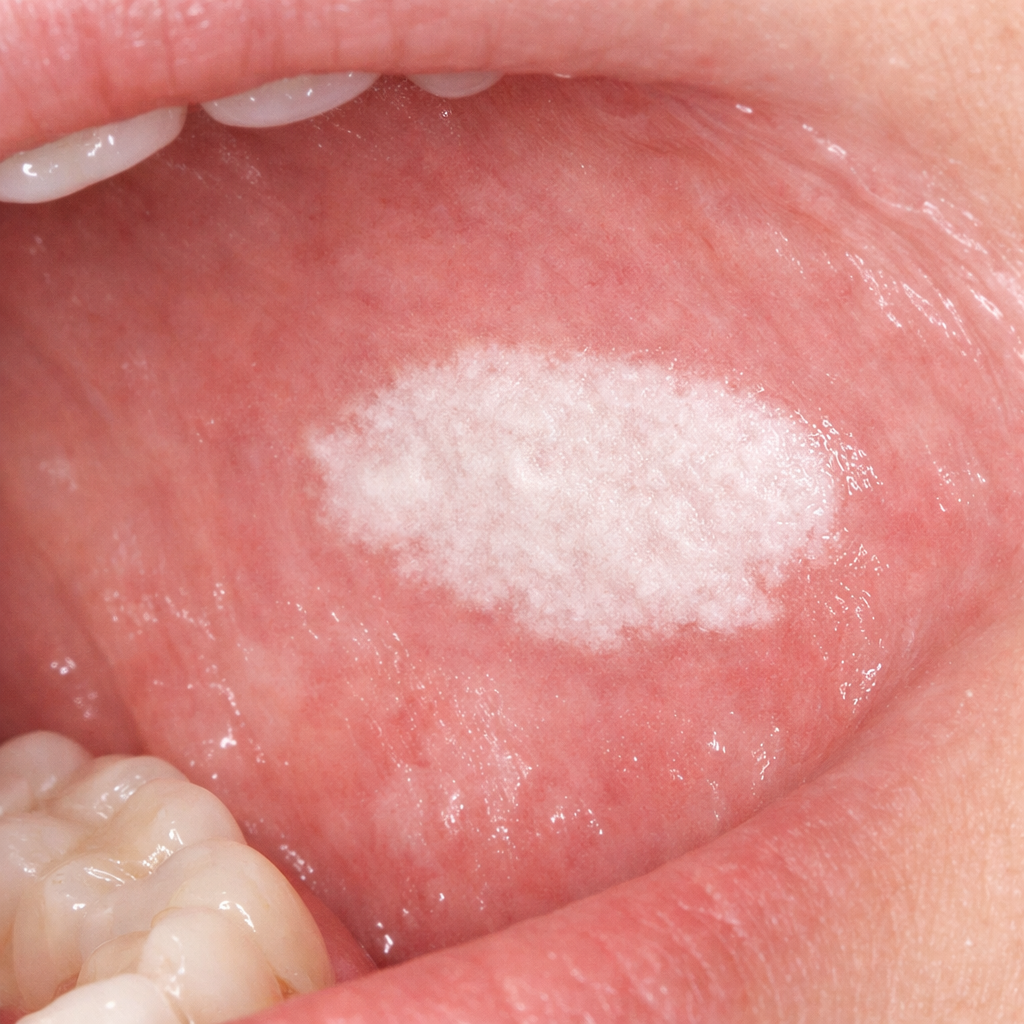
LEUKOPLAKIA AND EARLY ORAL TISSUE CHANGES: WHAT HIGH-RISK INDIVIDUALS SHOULD KNOW Understanding Early Warning Signs   Leukoplakia refers to white patches in the mouth that cannot be wiped away. It is often linked to chronic irritation from smoking or tobacco chewing. Not every white patch is dangerous — but persistent lesions require evaluation.   Why Chronic Irritation Matters   Continuous chemical exposure triggers abnormal epithelial thickening. Over time, cells may alter their growth pattern. Risk factors include: Smoking Chewing tobacco Heavy alcohol use Combined tobacco + alcohol use Early changes are often painless. This makes regular self-checking important.   Prevention & Monitoring   While cessation is the most effective preventive measure, supportive oral care plays a role in maintaining tissue stability. Strategies include: Regular dental screening Avoiding repeated irritants Supporting mucosal antioxidant balance   BOYA10 as Part of Oral Wellness Strategy   BOYA10 is designed for localized mucosal contact. Its chewable technology allows active ingredients to spread across oral tissues before swallowing. Potential supportive benefits include: Enhanced mucosal contact time Antioxidant support Support for epithelial resilience Protection-focused coating action It is not a treatment for leukoplakia but may support general mucosal health in high-risk individuals.   👉 Learn more:https://BOYA10.com/how-boya10-works

LEUKOPLAKIA AND EARLY ORAL TISSUE CHANGES: WHAT HIGH-RISK INDIVIDUALS SHOULD KNOW Read More »

20260226 1830 image generation simple compose 01kjd0jxq1fqwtjbtr8mwfs4wg

THE HIDDEN HARM OF CHEWING TOBACCO: ORAL & OVERALL HEALTH EFFECTS

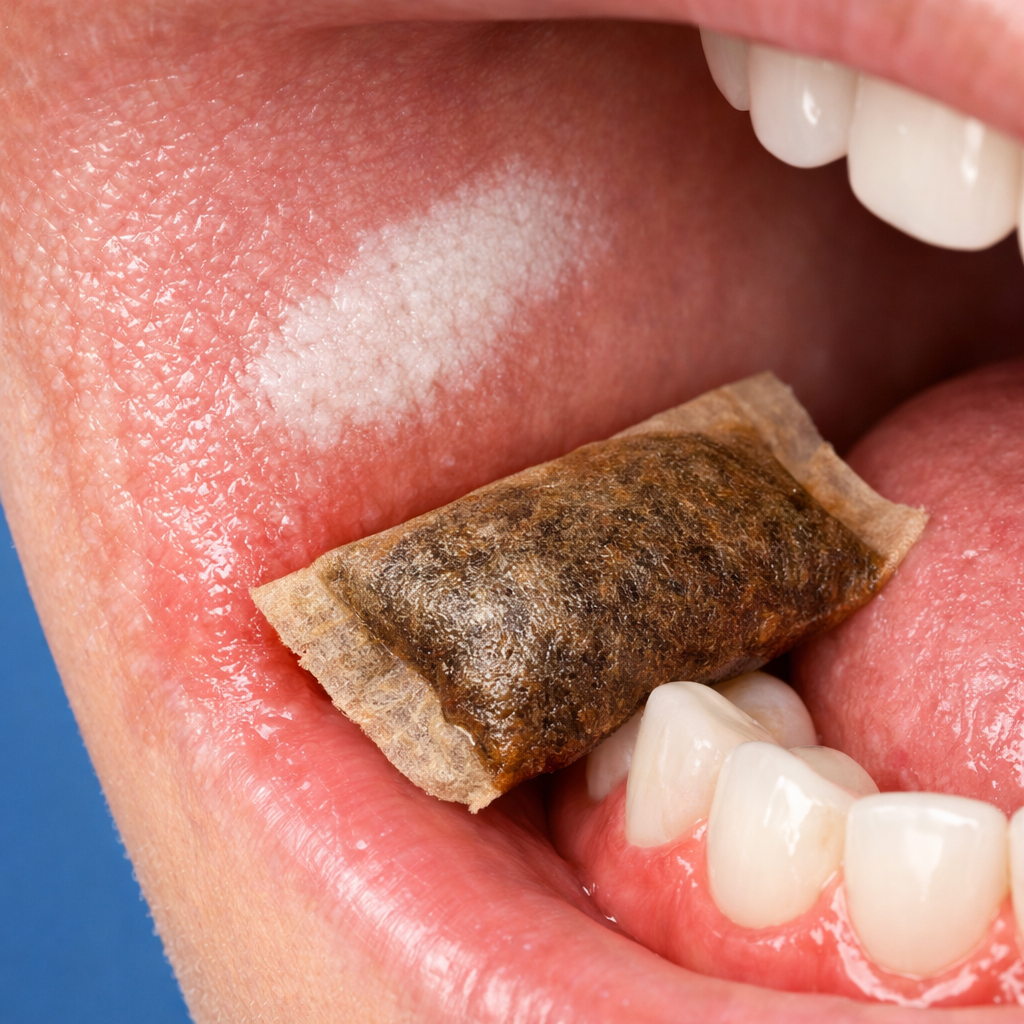
THE HIDDEN HARM OF CHEWING TOBACCO: ORAL & OVERALL HEALTH EFFECTS Why Chewing Tobacco Isn’t “Safe”   Many tobacco users believe that chewing tobacco is safer than smoking. In reality, chewed tobacco delivers harmful substances directly to the mucosal lining of the mouth — often for longer periods because the tobacco remains in contact with tissues. This prolonged exposure means that the tissues are constantly bathed in carcinogens, irritants, and heat. Unlike smoke that passes in and out, chewing tobacco sits in the cheek pouch and releases chemicals directly into the adjacent tissue. Over time, this leads to: Persistent soreness Thickened, leathery patches Changes in color (white, red, or mixed lesions) Increased risk for precancerous and cancerous changes   Mouth Changes Caused by Chewing Tobacco   One of the earliest observable effects of chewing tobacco is leukoplakia — white-colored patches that cannot be rubbed off. Often considered a precancerous lesion, leukoplakia arises from continuous irritation and increased cell turnover. Other changes associated with tobacco chewing include: Gum recession Bad breath Taste disturbances Increased risk of periodontal disease Research indicates that the risk of oral cancer is significantly higher in smokeless tobacco users than in non-users, particularly in regions where chewing tobacco prevalence is high.   Systemic Risks Beyond the Mouth   While the primary site of exposure is the mouth, components of chewing tobacco can enter bloodstream through mucosal micro-injuries, potentially affecting: Cardiovascular health Immune response Cellular oxidative balance   Steps to Protect Oral Health   If you use chewing tobacco and are not ready to quit, consider: Frequent self-examination for patches and soreness Regular dental visits Targeted oral mucosal support (especially between checkups)   Benefits of BOYA10 for Chewing Tobacco Users   BOYA10 supports oral mucosal health by forming a protective paste that spreads across the entire mouth surface. For individuals who chew tobacco, this coating helps: Reduce direct contact of irritants with epithelial cells Maintain mucosal hydration and integrity Provide antioxidant support to reduce oxidative stress As a part of a daily oral wellness routine, BOYA10 helps support tissue resilience and comfort.   👉 Learn more: https://BOYA10.com/ingredients

THE HIDDEN HARM OF CHEWING TOBACCO: ORAL & OVERALL HEALTH EFFECTS Read More »

Scroll to Top