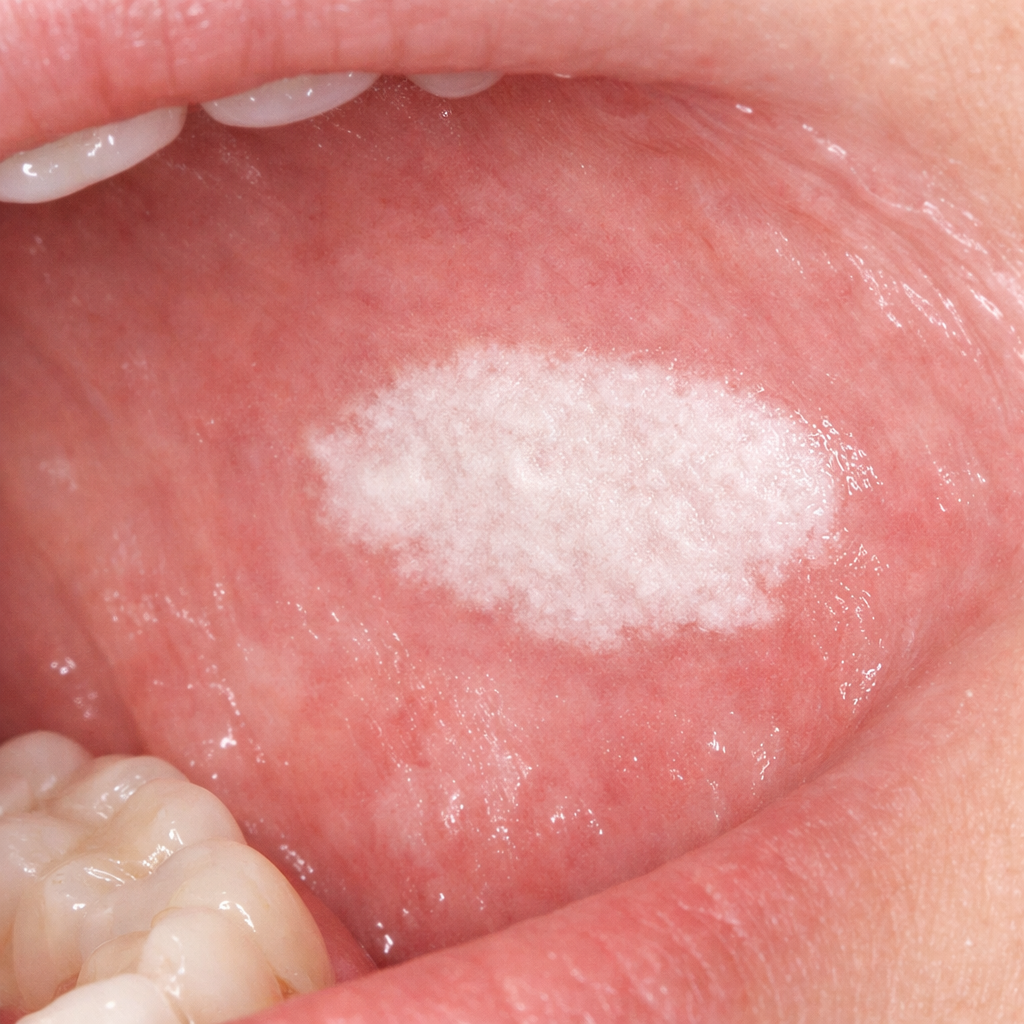
oral epithelial repair

20260226 2024 image generation simple compose 01kjd72vgaf9qa4r8gf50gee8d

LEUKOPLAKIA AND EARLY ORAL TISSUE CHANGES: WHAT HIGH-RISK INDIVIDUALS SHOULD KNOW

LEUKOPLAKIA AND EARLY ORAL TISSUE CHANGES: WHAT HIGH-RISK INDIVIDUALS SHOULD KNOW Understanding Early Warning Signs   Leukoplakia refers to white patches in the mouth that cannot be wiped away. It is often linked to chronic irritation from smoking or tobacco chewing. Not every white patch is dangerous — but persistent lesions require evaluation.   Why Chronic Irritation Matters   Continuous chemical exposure triggers abnormal epithelial thickening. Over time, cells may alter their growth pattern. Risk factors include: Smoking Chewing tobacco Heavy alcohol use Combined tobacco + alcohol use Early changes are often painless. This makes regular self-checking important.   Prevention & Monitoring   While cessation is the most effective preventive measure, supportive oral care plays a role in maintaining tissue stability. Strategies include: Regular dental screening Avoiding repeated irritants Supporting mucosal antioxidant balance   BOYA10 as Part of Oral Wellness Strategy   BOYA10 is designed for localized mucosal contact. Its chewable technology allows active ingredients to spread across oral tissues before swallowing. Potential supportive benefits include: Enhanced mucosal contact time Antioxidant support Support for epithelial resilience Protection-focused coating action It is not a treatment for leukoplakia but may support general mucosal health in high-risk individuals.   👉 Learn more:https://BOYA10.com/how-boya10-works

LEUKOPLAKIA AND EARLY ORAL TISSUE CHANGES: WHAT HIGH-RISK INDIVIDUALS SHOULD KNOW Read More »
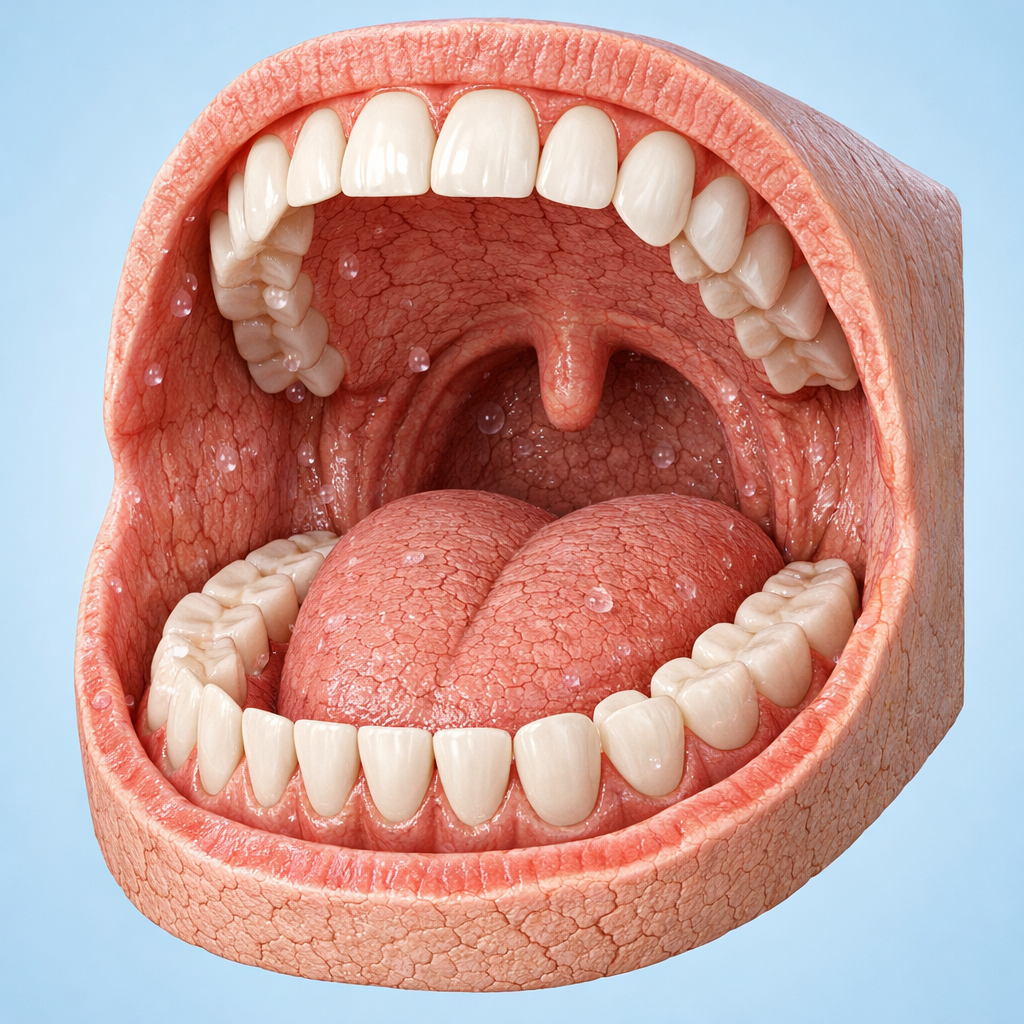
20260226 2011 image generation simple compose 01kjd6a2tvfans8pk6d91qfysg

DRY MOUTH (XEROSTOMIA) IN SMOKERS AND ALCOHOL USERS: CAUSES, RISKS & SOLUTIONS

DRY MOUTH (XEROSTOMIA) IN SMOKERS AND ALCOHOL USERS: CAUSES, RISKS & SOLUTIONS What is Dry Mouth?   Dry mouth, medically known as xerostomia, occurs when saliva production decreases. Saliva is not just moisture — it is protective fluid containing enzymes, antibodies, and buffering agents. Smoking and alcohol both reduce saliva production. Nicotine affects salivary gland signaling, while alcohol dehydrates tissues.   Why Saliva Is Essential   Saliva plays critical roles: Neutralizes acids Washes away food debris Maintains mucosal lubrication Supports tissue healing When saliva decreases, the oral lining becomes: Rough Sensitive More prone to irritation Susceptible to infection Persistent dryness can also alter taste perception and make chewing uncomfortable.   Lifestyle-Related Xerostomia   Smokers often wake up with dry mouth. Alcohol users experience dehydration-related dryness. Tobacco chewers may develop localized dryness where the pouch is placed. Chronic dryness contributes to: Burning mouth sensation White patches Micro-cracks in mucosa Increased oxidative stress   Supporting Oral Moisture & Tissue Integrity   Hydration is important, but hydration alone may not restore mucosal resilience. Supporting the epithelial barrier and antioxidant balance may help improve comfort.   How BOYA10 May Support Oral Comfort   When chewed, BOYA10 forms a thin coating layer over the mucosa. This coating: Enhances localized contact Supports mucosal barrier integrity Provides antioxidant support Helps maintain epithelial resilience By acting before swallowing, BOYA10 focuses on the first site affected by dryness.   👉 Learn more:https://BOYA10.com/faqs

DRY MOUTH (XEROSTOMIA) IN SMOKERS AND ALCOHOL USERS: CAUSES, RISKS & SOLUTIONS Read More »

Scroll to Top