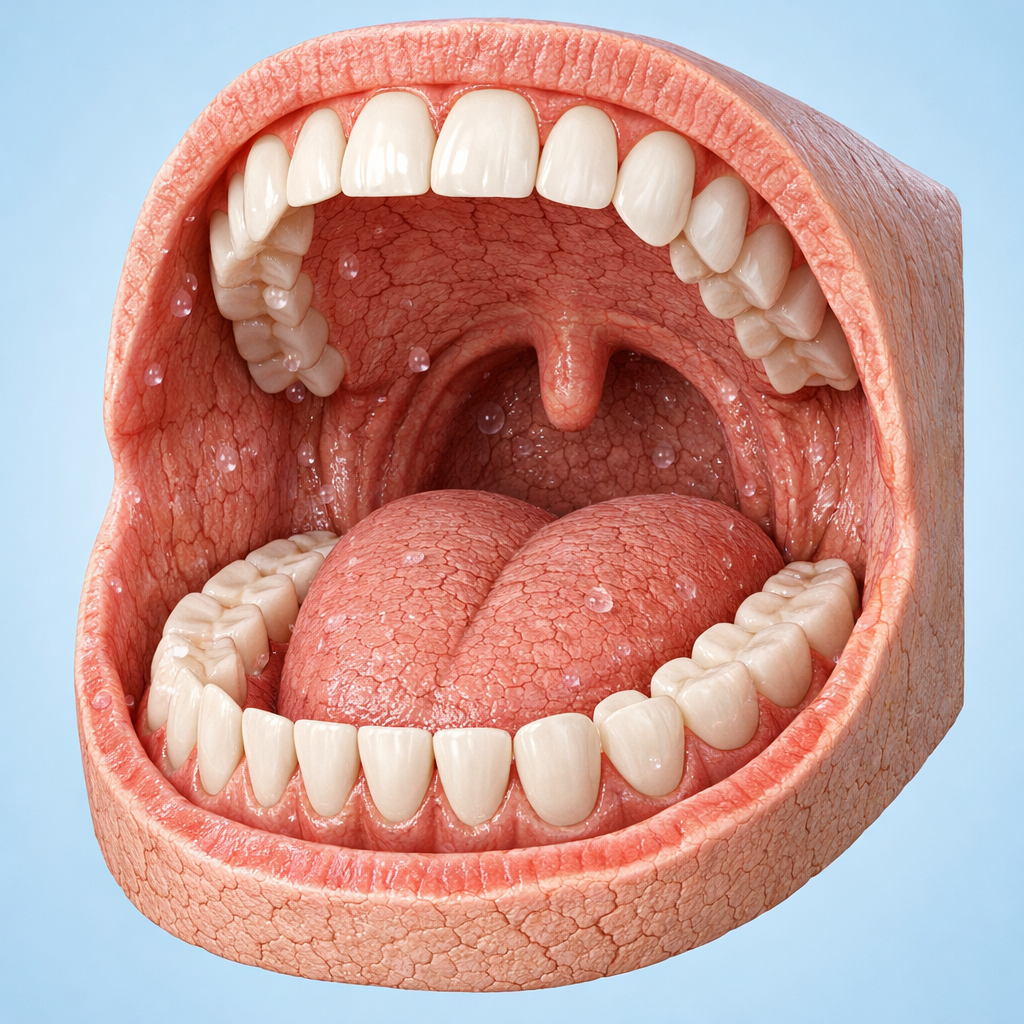
oral health awareness

20260226 2011 image generation simple compose 01kjd6a2tvfans8pk6d91qfysg

DRY MOUTH (XEROSTOMIA) IN SMOKERS AND ALCOHOL USERS: CAUSES, RISKS & SOLUTIONS

DRY MOUTH (XEROSTOMIA) IN SMOKERS AND ALCOHOL USERS: CAUSES, RISKS & SOLUTIONS What is Dry Mouth?   Dry mouth, medically known as xerostomia, occurs when saliva production decreases. Saliva is not just moisture — it is protective fluid containing enzymes, antibodies, and buffering agents. Smoking and alcohol both reduce saliva production. Nicotine affects salivary gland signaling, while alcohol dehydrates tissues.   Why Saliva Is Essential   Saliva plays critical roles: Neutralizes acids Washes away food debris Maintains mucosal lubrication Supports tissue healing When saliva decreases, the oral lining becomes: Rough Sensitive More prone to irritation Susceptible to infection Persistent dryness can also alter taste perception and make chewing uncomfortable.   Lifestyle-Related Xerostomia   Smokers often wake up with dry mouth. Alcohol users experience dehydration-related dryness. Tobacco chewers may develop localized dryness where the pouch is placed. Chronic dryness contributes to: Burning mouth sensation White patches Micro-cracks in mucosa Increased oxidative stress   Supporting Oral Moisture & Tissue Integrity   Hydration is important, but hydration alone may not restore mucosal resilience. Supporting the epithelial barrier and antioxidant balance may help improve comfort.   How BOYA10 May Support Oral Comfort   When chewed, BOYA10 forms a thin coating layer over the mucosa. This coating: Enhances localized contact Supports mucosal barrier integrity Provides antioxidant support Helps maintain epithelial resilience By acting before swallowing, BOYA10 focuses on the first site affected by dryness.   👉 Learn more:https://BOYA10.com/faqs

DRY MOUTH (XEROSTOMIA) IN SMOKERS AND ALCOHOL USERS: CAUSES, RISKS & SOLUTIONS Read More »
20260226 1739 image generation simple compose 01kjcxn0y1fgjteteat3sprjn4

HOW SMOKING DAMAGES YOUR ORAL HEALTH AND WHAT YOU CAN DO ABOUT IT

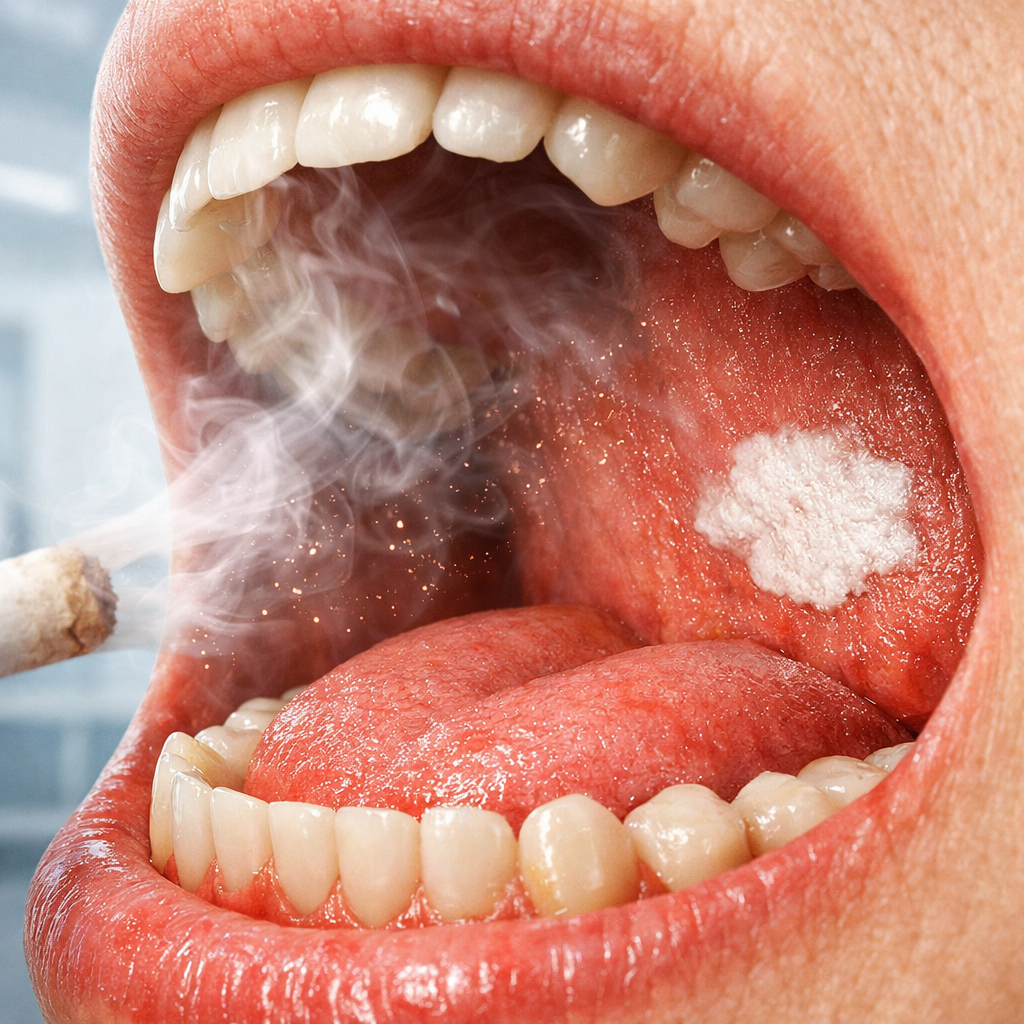
How Smoking Damages Your Oral Health and What You Can Do About It A Growing Concern: Smoking and the Mouth   Smoking is widely known for its impact on the lungs and heart — but its effects on the mouth are often overlooked. Every time tobacco smoke enters the oral cavity, the delicate tissues lining the mouth are exposed to heat, chemical substances, and toxic by-products. Unlike the skin, which is designed to resist external insults, the oral mucosa is a moist, permeable surface with high blood flow and dense capillaries. This means that harmful agents in smoke quickly interact with mouth tissues and bloodstream. Clinically, smokers are at higher risk for several oral problems: Bad breath and persistent dry mouth, due to decreased saliva production Gum inflammation and recession, leading to loosened teeth White or red patches known as leukoplakia and erythroplakia Increased risk of oral infections These problems often appear gradually. Early signs such as mild discomfort, slight redness, or persistent dryness may be dismissed as temporary. But over time, repeated exposure worsens the condition, making simple chewing and swallowing uncomfortable. Research shows that tobacco smoke contains thousands of chemicals, many of which are known carcinogens. Continuous irritation from these substances disrupts oral cell turnover, weakens immune balance in the mucosa, and increases oxidative stress. This sets the stage not only for discomfort but for serious disease processes.   The Silent Development of Gum and Tissue Damage   Gum disease (periodontal disease) is also more common in smokers. Nicotine reduces blood flow to gum tissues, meaning that oxygen and nutrients are delivered inefficiently to cells trying to maintain tissue integrity. Over time, this causes gum recession, bleeding, deeper gum pockets, and eventual bone loss around teeth. Similarly, the soft tissues of the mouth — cheeks, tongue, and palate — exhibit changes due to chronic smoke exposure. The result may be surface roughness, patch formation, and decreased epithelial resilience.   What You Can Do   The first step is awareness. Notice early signs: Persistent dry mouth Burning or tingling Recurrent white or red patches Unusual thickness or texture change in mouth tissues Regular dental checkups are essential. Dentists can identify early signs of pre-cancerous changes such as leukoplakia long before they become problematic. Incorporating targeted oral support measures into daily habits can help maintain mucosal health even while you work to reduce or quit smoking.   Benefits of BOYA10 for Smokers    BOYA10 is a scientifically formulated chewable capsule that provides localized support to the oral mucosa — the first site affected by tobacco smoke. When chewed, BOYA10 releases a bioactive paste that: Coats oral surfaces including cheeks, gums, and tongue Helps shield oral tissues from repeated chemical irritation Supports epithelial strength and resilience Supplies antioxidants that counteract smoke-induced oxidative stress By forming a protective coating and supporting mucosal resilience, BOYA10 can be a part of a daily oral wellness regime for smokers.   Learn more: https://BOYA10.com/how-boya10-works

HOW SMOKING DAMAGES YOUR ORAL HEALTH AND WHAT YOU CAN DO ABOUT IT Read More »

Scroll to Top