smoking oral damage

20260226 2032 image generation simple compose 01kjd7h7h5fkvtg4s2q3v71raz

THE ORAL-SYSTEMIC HEALTH CONNECTION: HOW LIFESTYLE HABITS IMPACT THE ENTIRE BODY

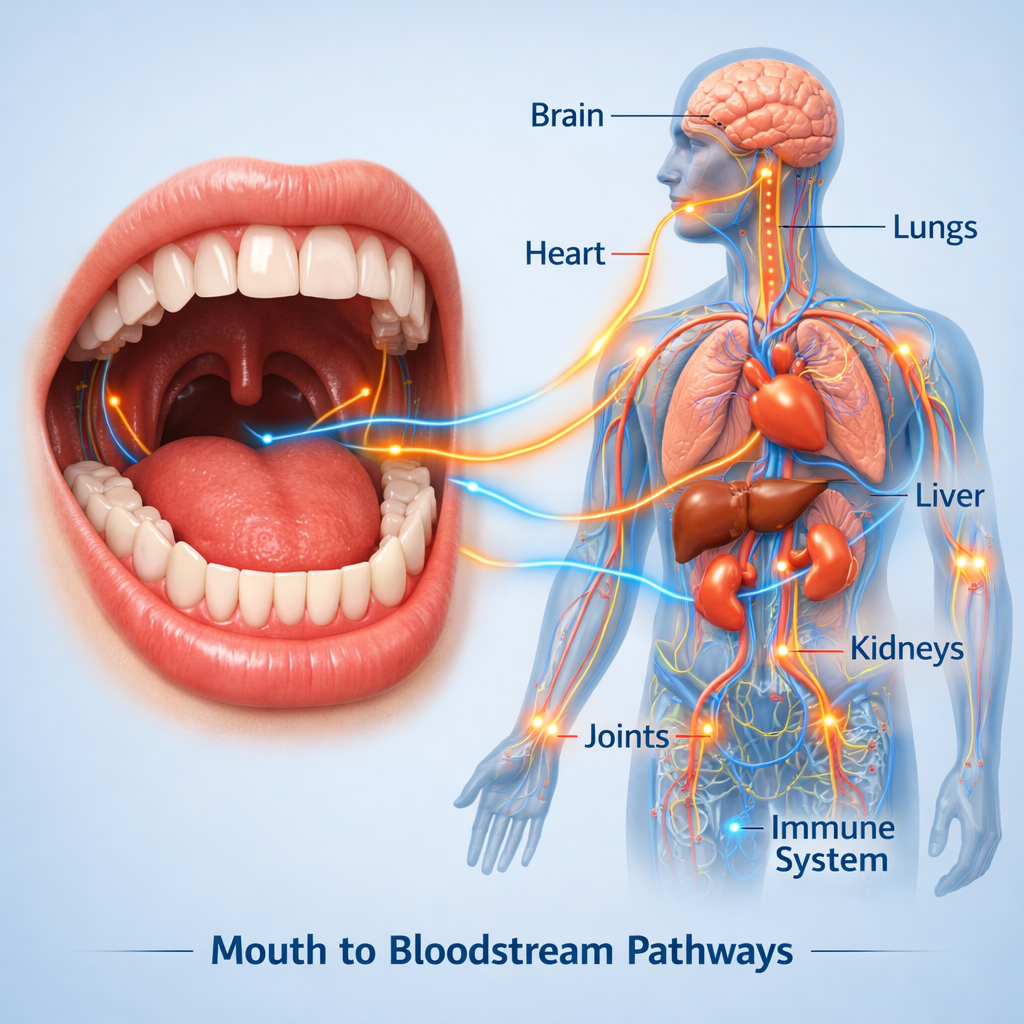
THE ORAL-SYSTEMIC HEALTH CONNECTION: HOW LIFESTYLE HABITS IMPACT THE ENTIRE BODY The Mouth as a Gateway   The oral cavity is connected to the digestive and circulatory systems. Substances absorbed through oral mucosa can enter bloodstream rapidly. Smoking, tobacco chewing, and alcohol exposure not only affect oral tissues but may influence systemic health markers.   Oral Inflammation and Systemic Impact   Chronic irritation in the mouth can trigger inflammatory mediators. Emerging research suggests links between oral health and: Cardiovascular health Immune response balance Metabolic function While direct causation varies, maintaining oral tissue integrity is part of broader wellness.   Supporting Local and Systemic Health   Because the mouth is the first site of exposure, targeted local support may be beneficial.   BOYA10 Dual-Phase Concept   BOYA10 is unique because it: Acts locally inside the mouth before swallowing Provides continued internal nutritional support This dual-phase design bridges oral and systemic wellness support in a structured manner. For individuals with high-risk lifestyle habits, this integrated approach may complement broader health strategies.   👉 Explore more:https://BOYA10.com/ingredientshttps://BOYA10.com/faqs

THE ORAL-SYSTEMIC HEALTH CONNECTION: HOW LIFESTYLE HABITS IMPACT THE ENTIRE BODY Read More »
20260226 2024 image generation simple compose 01kjd72vgaf9qa4r8gf50gee8d

LEUKOPLAKIA AND EARLY ORAL TISSUE CHANGES: WHAT HIGH-RISK INDIVIDUALS SHOULD KNOW

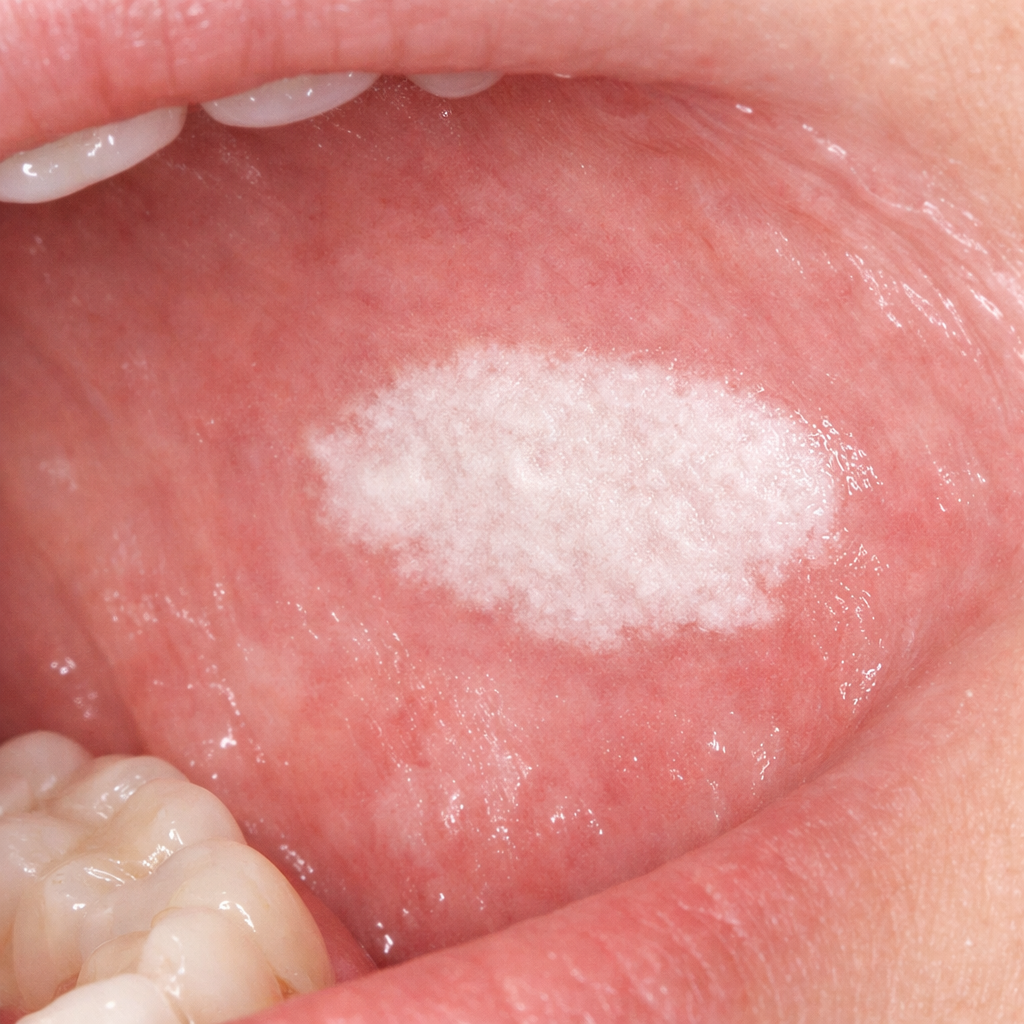
LEUKOPLAKIA AND EARLY ORAL TISSUE CHANGES: WHAT HIGH-RISK INDIVIDUALS SHOULD KNOW Understanding Early Warning Signs   Leukoplakia refers to white patches in the mouth that cannot be wiped away. It is often linked to chronic irritation from smoking or tobacco chewing. Not every white patch is dangerous — but persistent lesions require evaluation.   Why Chronic Irritation Matters   Continuous chemical exposure triggers abnormal epithelial thickening. Over time, cells may alter their growth pattern. Risk factors include: Smoking Chewing tobacco Heavy alcohol use Combined tobacco + alcohol use Early changes are often painless. This makes regular self-checking important.   Prevention & Monitoring   While cessation is the most effective preventive measure, supportive oral care plays a role in maintaining tissue stability. Strategies include: Regular dental screening Avoiding repeated irritants Supporting mucosal antioxidant balance   BOYA10 as Part of Oral Wellness Strategy   BOYA10 is designed for localized mucosal contact. Its chewable technology allows active ingredients to spread across oral tissues before swallowing. Potential supportive benefits include: Enhanced mucosal contact time Antioxidant support Support for epithelial resilience Protection-focused coating action It is not a treatment for leukoplakia but may support general mucosal health in high-risk individuals.   👉 Learn more:https://BOYA10.com/how-boya10-works

LEUKOPLAKIA AND EARLY ORAL TISSUE CHANGES: WHAT HIGH-RISK INDIVIDUALS SHOULD KNOW Read More »

20260226 1947 image generation simple compose 01kjd4zhyee81rsy424wd12evw

OXIDATIVE STRESS IN THE MOUTH: THE INVISIBLE DAMAGE CAUSED BY SMOKING, ALCOHOL & TOBACCO

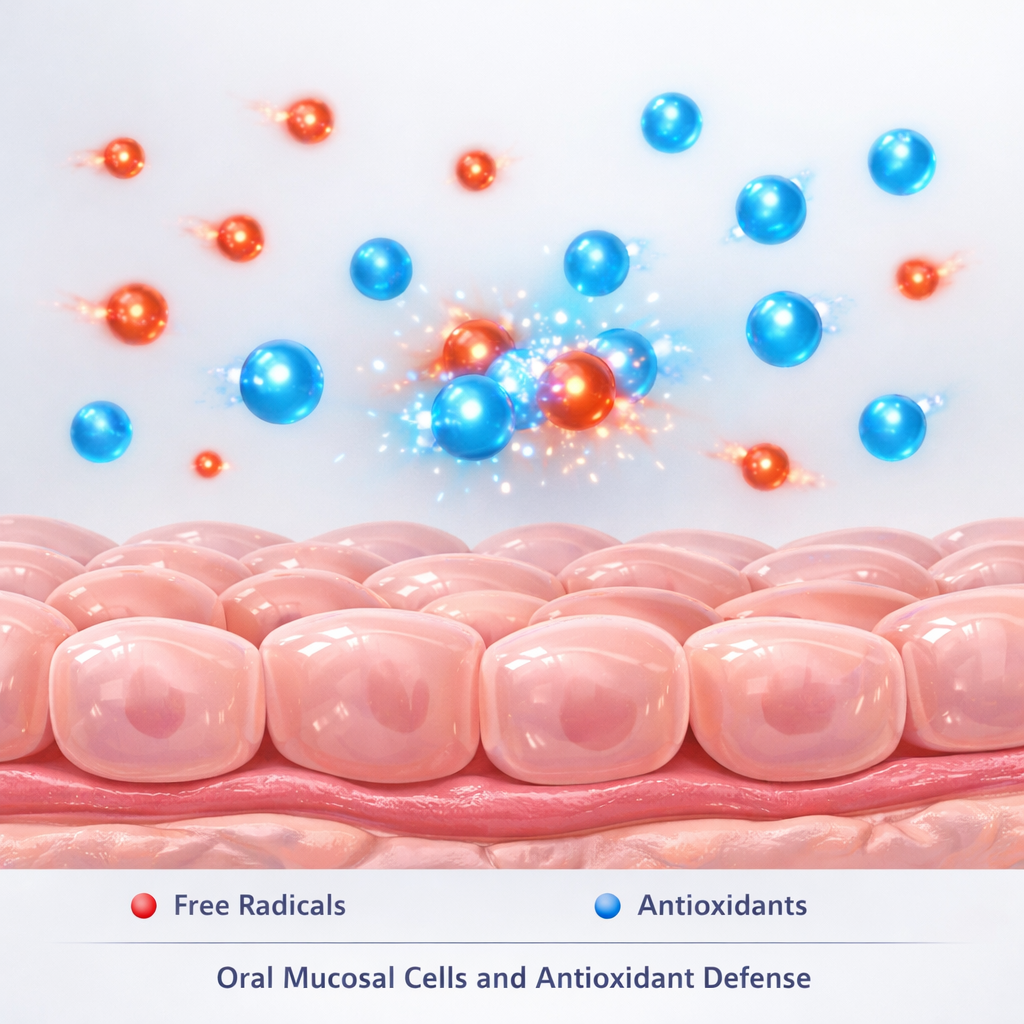
OXIDATIVE STRESS IN THE MOUTH: THE INVISIBLE DAMAGE CAUSED BY SMOKING, ALCOHOL & TOBACCO Introduction: The Damage You Cannot See   When people think of oral health, they think of cavities, gum bleeding, or bad breath. But beneath these visible symptoms lies a more subtle process — oxidative stress. It is a biochemical imbalance that silently weakens oral tissues over time. Smoking, chewing tobacco, and alcohol consumption significantly increase oxidative stress in the oral cavity. Every puff of smoke and every sip of alcohol introduces reactive molecules known as free radicals. These unstable molecules damage cells by disrupting membranes, proteins, and DNA. Unlike mechanical injury, oxidative stress does not hurt immediately. It accumulates. The oral mucosa — being highly vascular and permeable — is especially vulnerable.   How Oxidative Stress Affects Oral Cells   The oral lining constantly renews itself. Healthy cells mature, migrate, and shed in a balanced cycle. Oxidative stress interferes with this cycle by: Damaging epithelial cell membranes Reducing cellular repair efficiency Weakening the mucosal barrier Increasing inflammation markers Over time, this may contribute to: Rough mucosal texture Persistent white or red patches Delayed healing Increased tissue sensitivity For tobacco and alcohol users, this stress is repetitive and chronic.   Why Antioxidant Support Matters   Antioxidants neutralize free radicals before they cause damage. In healthy individuals, saliva naturally contains antioxidant enzymes. However, smoking and alcohol reduce salivary antioxidant levels. When natural defenses are overwhelmed, tissues remain exposed. Supporting antioxidant balance in the oral cavity can help maintain cellular resilience.   Protecting the First Line of Defense   The mouth is the entry point for external substances. It deserves targeted care — not only brushing and rinsing but biochemical support at the tissue level.   How BOYA10 Supports Oxidative Balance   BOYA10 is formulated with multiple antioxidant-supporting ingredients. When chewed, it: Spreads across oral mucosa before swallowing Delivers localized antioxidant contact Helps support epithelial stability Provides continued internal support after swallowing This dual-phase mechanism makes it relevant for individuals exposed to oxidative stress from smoking, tobacco chewing, or alcohol consumption.   👉 Learn more:https://BOYA10.com/how-boya10-workshttps://BOYA10.com/ingredients

OXIDATIVE STRESS IN THE MOUTH: THE INVISIBLE DAMAGE CAUSED BY SMOKING, ALCOHOL & TOBACCO Read More »

Scroll to Top